
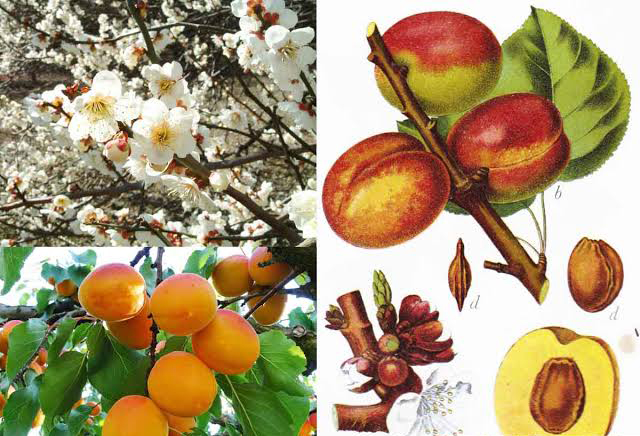
Hello! Today we explore the plant linked to the pink color of spring and with countless wonderful benefits – the Japanese Apricot Tree (Prunus mume) – both a symbol of flower-viewing culture and a valuable medicinal plant supporting many conditions. Let's find out the details together!
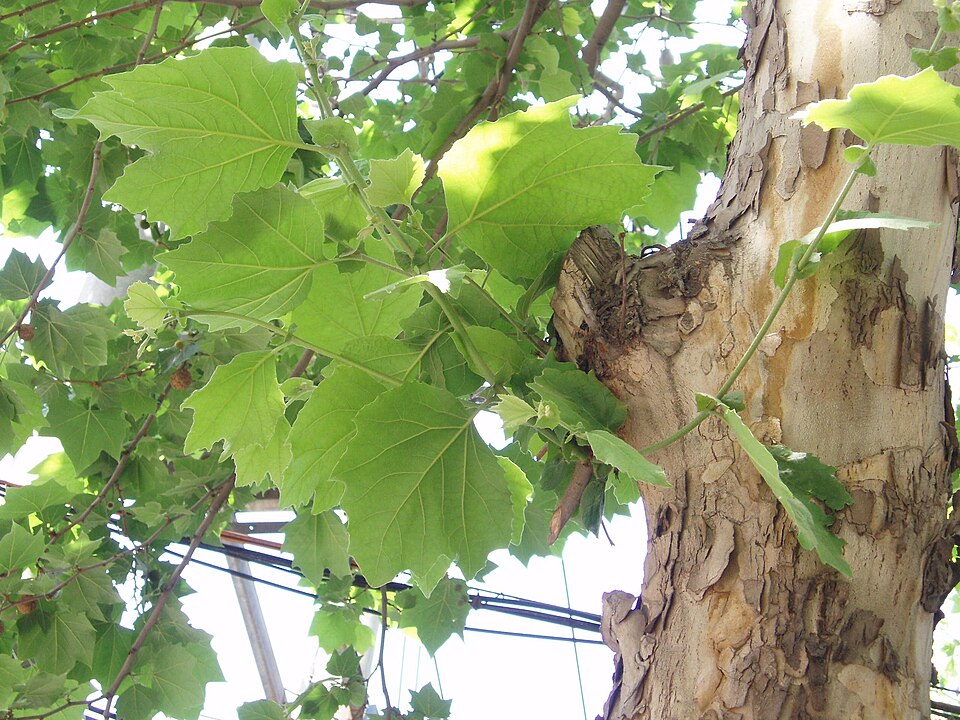
📸 [Photo 1 – Illustration and real images of the Japanese Apricot Tree]
I. GENERAL INTRODUCTION TO THE JAPANESE APRICOT TREE
Mume (scientific name: Prunus mume) is a species of the genus Prunus originating from Asia, in the Rosaceae family. In Japanese it is called ume (kanji: 梅 - mai), in Korean maesil (hangul: 매실), and in Chinese méi (梅) or méizi (梅子). In Western languages, this species is often called Japanese apricot. This plant is native to southern China (Yangtze River basin), later spreading to Japan, Korea and Vietnam.
🌱 Identification features
- • Trunk: Small woody tree, rough bark, young branches reddish brown, many branches forming a wide canopy.
- • Leaves: Alternate, oval or egg-shaped, pointed tip, margins finely serrated, length about 6-8 cm.
- • Flowers: Bloom in late winter or early spring before leaves, 5 petals, white or pale pink, mild fragrance.
- • Fruit: Spherical drupe, longitudinal groove from stem to tip, fine fuzz covering when young, turning yellow or slightly red when ripe, flesh sour.
II. HISTORY AND ORIGIN
The Japanese Apricot Tree originates from southern China, concentrated in the Yangtze River basin, cultivated by humans for thousands of years.
📜 History
- China: First homeland of the Japanese apricot tree, appeared thousands of years BC, linked to flower-viewing culture and gastronomy.
- Japan and Korea: The Japanese apricot tree was brought to Japan around the 3rd century, where the mume flower (called Ume) was once the main flower before giving way to the cherry blossom.
III. GROWTH CHARACTERISTICS AND IDEAL LIVING CONDITIONS
a. Ecological characteristics
- Small perennial woody tree, prefers cold climate.
- Rich in organic acids, carotenoids, lycopene, tannins, pectin and vitamins A, C, B1, B15.
b. Care conditions for always green and healthy trees
- 🌡️ Temperature: Good cold resistance, suitable for regions with cold winter for flower bud differentiation.
- ☀️ Light: Prefers full light, should be planted in an open, sunny place for good flowering and fruiting.
- 📅 Season: Usually planted in November–December of the Gregorian calendar when it is cold.
- 🌱 Soil: Best pH between 6 and 7. Rich in organic matter, much humus, moderately moist but not waterlogged. Suitable for mountain alluvial soil or limestone soil.
- 🔄 Growth cycle: January–April strong growth, flowering, fruiting and young shoot development. May–June fruit harvest and nutrient accumulation.
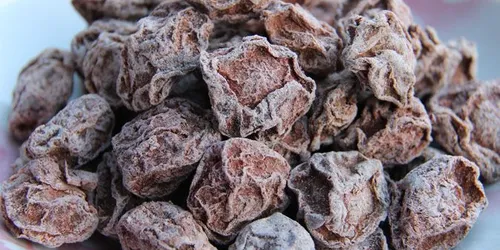
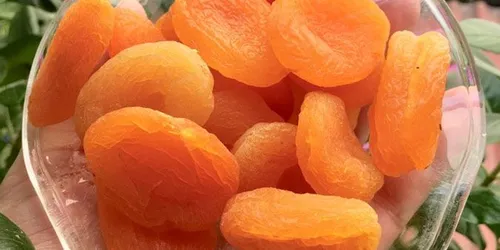
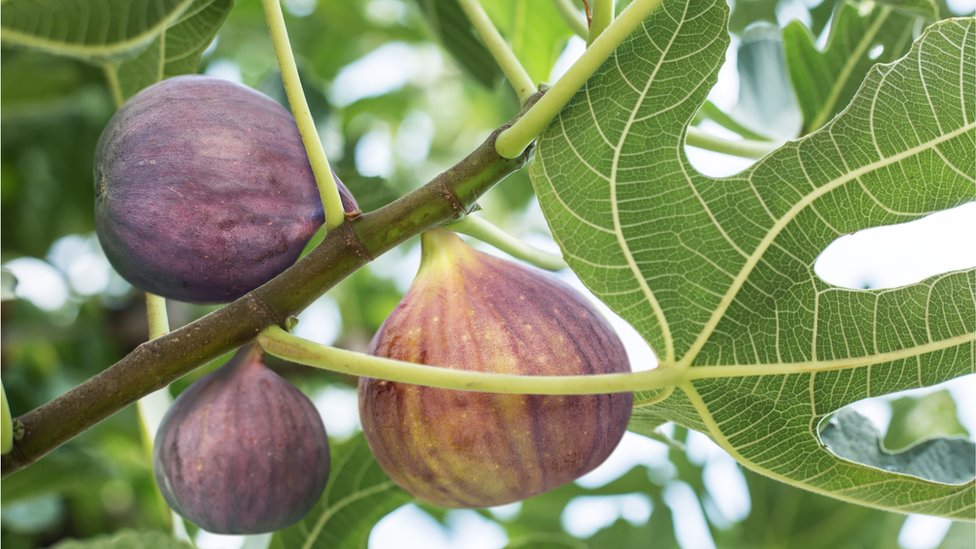
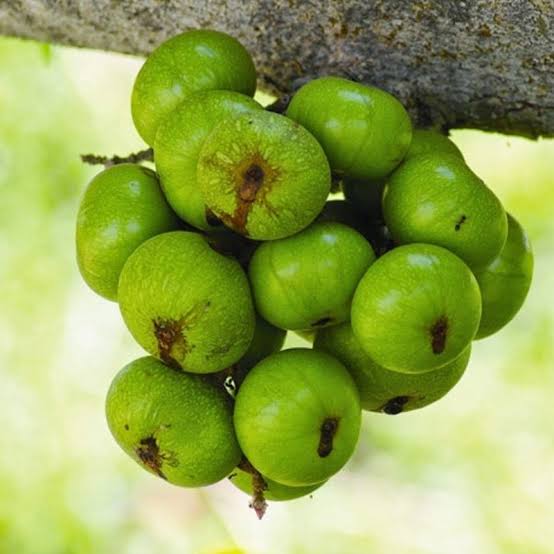
📸 [Photos 2 and 3 – Images of mume fruits and applications from the Japanese Apricot Tree]
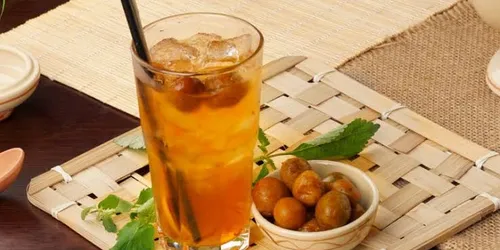
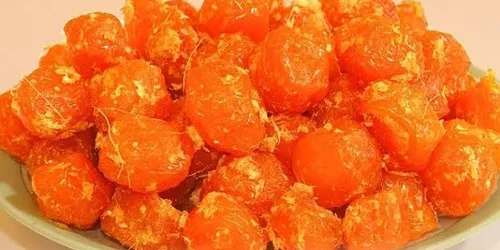
📸 [Photos 4 and 5 – Images of mume fruits and applications from the Japanese Apricot Tree]
IV. NUTRITIONAL COMPOSITION AND DIVERSE BENEFITS
a. Nutritional composition
- 🍑 Mume fruit: Contains many organic acids (citric acid, tartaric acid), carotenoids, lycopene, tannins, pectin. Provides vitamins A, C, B1 and vitamin B15 in high proportion. Contains minerals like phosphorus, calcium and iron.
- 🌰 Mume kernel (almond): Contains 35–40% fatty oil, glucoside (amygdalin - substance containing cyanhydric group) and emulsin enzymes.
b. Remarkable benefits
Drinks and macerations:
- 🥤 Sugar-macerated mume water: Fresh mume washed, macerated with rock sugar and a little salt, mixed with ice as a summer cooling drink.
- 🍶 Mume wine: Ripe mume macerated with white liquor and sugar in a sealed jar for months, creating a fragrant strong drink, supporting digestion.
- 🍬 Salted mume / Ô mai: Mume macerated in strong salt or stir-fried with sugar, chili, ginger into various preserves, soft dried mume for snacking.
Dishes and other preparations:
- 🍗 Mume fruit sauce chicken: Chicken meat cooked or pan-fried with sauce made from mashed mume fruit flesh, honey and spices, creating a uniquely sweet and sour taste.
- 🥗 Fresh mume salad: Peeled mume fruit flesh mixed with green vegetables, olive oil, cheese and a little sugar.
V. PROPAGATION TECHNIQUES AND DETAILED CARE
a. Propagation
🌱 Rootstock preparation:
- Seed treatment: Use seeds from well-ripened mume fruit, wash, sun-dry and store until October–November then sow.
- Soaking: Soak seeds in warm water (40-42°C) for about 4 hours, then soak in normal water for 24 hours then sow.
- Transplanting: When seedlings have 2–3 true leaves, transfer to soil bags.
- Grafting standard: When the tree is 40–50 cm tall, root diameter reaches 0.8–1 cm, proceed to graft.
🌱 Performing grafting:
- Grafting season: Usually performed in months with favorable weather in the year (often late winter or early spring depending on region).
- Taking scion: Choose healthy young branches, disease-free from a high-yielding mother tree.
- Operation: Use a sharp knife to cut rootstock and scion, bring the cambium layers of both sides into contact then use nylon string to wrap tightly fixing the graft position.
🌱 Care after grafting:
- Place the tree in a shady, windy place, water to maintain moderate moisture.
- Check and remove the nylon string when the graft wound has healed, continue care until new shoots grow strongly before planting in the production field.
b. Care and disease prevention
- 💧 Watering and weeding: Water 2-3 times per season when the tree is large, increase water amount to maintain moisture about 2-3 weeks before fruit ripens. Clear weeds around the base, cover with straw or dry grass to retain moisture and prevent drought in dry season.
- 🌾 Fertilizing:
• Phase 1 (April-May): Apply 40% of prepared fertilizer after fruit harvest for the tree to recover.
• Phase 2 (July-August): Apply 30% of fertilizer to help the tree maintain branches and leaves and accumulate nutrients.
• Phase 3 (September-October): Apply the remaining 30% before flowering to promote flower bud differentiation. - ✂️ Pruning: Prune branches to form the canopy after harvest season or before flowering season helping the tree be airy and receive light well.
🛡️ Pest and disease prevention:
- Flat beetle: During the day hides under ground or rotting waste, at night comes out biting young leaves. Use light traps or manually catch in the evening, can use biological pesticides or low-concentration organic phosphate.
- Aphids and mealybugs: Suck sap at young shoots, stems and fruits making leaves curl, stunted. Treat with mineral oil, agricultural soap or specific aphid medicine.
- Fruit fly: Stings into fruit making it rot and fall. Use fruit bags or yellow sticky traps.
- Gum disease (trunk, branches): Trunk and branches show cracks and ooze resin. Scrape the lesion clean then apply copper-based medicine (like Bordeaux mixture).
- Root rot / fruit brown rot: Due to fungi in moist soil or heavy rain. Good drainage for the base, collect and destroy diseased fruits, spray preventively with copper-based medicine.
- General preventive measures: Clean weeds, clean plant residues around the base. Prune the canopy to be airy to limit hiding places for fungal diseases. Apply balanced organic fertilizer to keep the tree healthy, increase natural resistance.
VI. REMEDIES SUPPORTING DISEASE TREATMENT
⚠️ Important note:
This is a folk remedy, not scientifically proven, for reference only.
- Parts used: Fruit and kernel.
- Harvest season:
• Main time: From mid-March to early May depending on region and weather.
• Recognition signs: Fruit changes from green (when young) to bright yellow when ripe.
• Use: Mume at this time is usually used for sugar maceration, wine maceration or making ô mai. - Preparation form: Dried and fresh.
- Properties: Sour taste, neutral nature.
- Benefits:
• Treating prolonged cough, cough with phlegm: Mume fruit has the effect of cooling the lungs, generating body fluids, soothing the throat and treating cough due to bronchitis very well.
• Treating worms in bile ducts: The sourness of ô mai helps contract bile ducts, supporting paralysis and expulsion of worms.
• Treating diarrhea, dysentery: Thanks to its sour, astringent nature, mume fruit has the ability to astringe, effectively stopping diarrhea and bloody stools.
• Stimulating digestion: Helps treat bloating, indigestion and loss of appetite. - ⚠️ Toxicity note: Mume kernel contains amygdalin. Once in the body, this substance is metabolized into hydrocyanic acid (HCN) – an extremely toxic substance. Therefore, absolutely do not break mume kernels yourself to eat the kernel without professional processing.
🌸 Thank you for reading this article!
I hope you gained much useful knowledge about this plant linked to the pink color of spring.
Don't forget to follow the blog for more interesting information!
📌 Share the article if you found it helpful!
Comments (0)
No comments yet.
Leave a Comment