
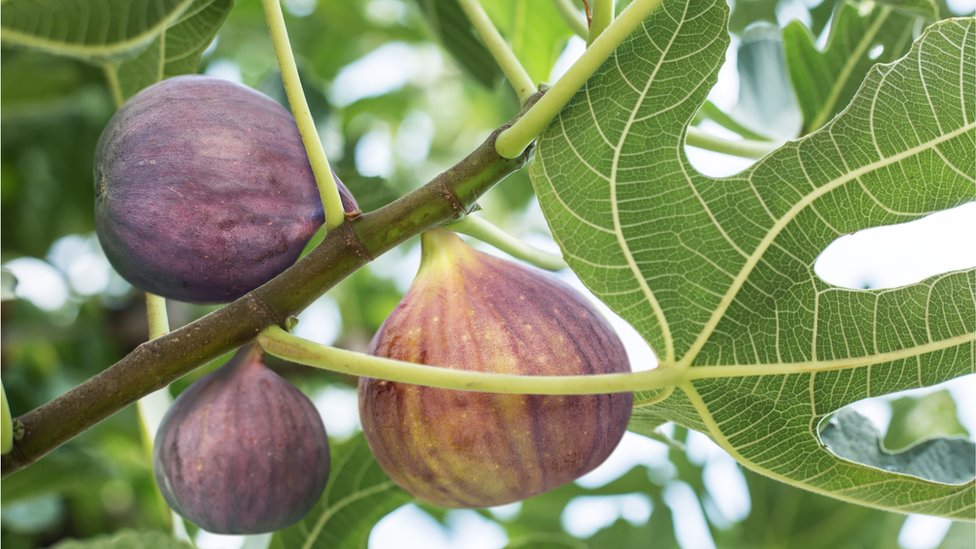
Hello! Today we explore a familiar temperate fruit with a sweet taste and many wonderful benefits – the Fig (Ficus carica) – both a nutritious fruit and a valuable medicinal plant supporting many conditions. Let's find out the details together!
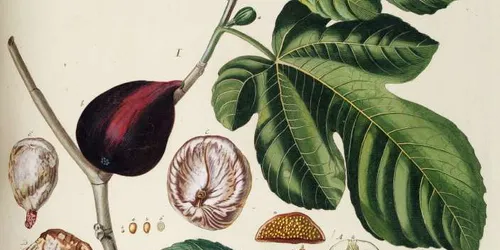
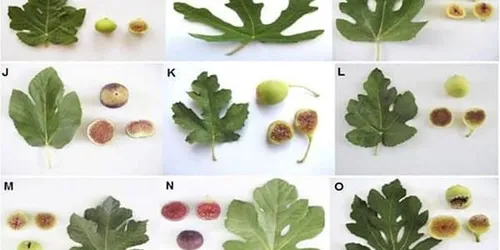
📸 [Photos 1 and 2 – Illustration and real images of the Fig tree]
I. GENERAL INTRODUCTION TO THE FIG TREE
Fig (scientific name: Ficus carica) is a small tree species 3-10 m tall. Bark gray-brown, trunk sympodial, branches straight. It is a familiar temperate fruit in Europe, America and many regions with suitable climate.
🌱 Identification features
- • Trunk and branches: Shrub form, flexible trunk, smooth bark, young branches containing characteristic white latex.
- • Leaves: Large blade, deeply divided into several distinct lobes, very similar to papaya leaves. Unlike local figs, leaves are hard and not edible raw. Simple alternate leaves, rigid petiole 2-5 cm long. Blade broadly ovate divided into 3-5 deep lobes, length and width 10-20 cm.
- • Fig fruit: Much larger than local figs, oval or slightly rounded long. Fruit grows directly from leaf axils, not in long clusters on old trunk. When ripe, skin turns yellow, dark purple or pink striped, flesh sweet and juicy.
II. HISTORY AND ORIGIN
Fig originates from West and Central Asia. Common growing areas: Mediterranean, Italy, Spain, and widely cultivated in America and temperate countries.
📜 History
- Ancient origin: Where this plant began thousands of years ago, closely linked to ancient agriculture.
- Global popularity: Became a familiar temperate fruit in Europe, America and many regions with suitable climate.
III. GROWTH CHARACTERISTICS AND IDEAL LIVING CONDITIONS
a. Ecological characteristics
- Perennial small tree, prefers warm, temperate climate.
- Rich in fiber, vitamins A, B, C, K and minerals.
b. Care conditions for always green and healthy plants
- ☀️ Light: Suitable for places with full or moderate diffused light; avoid direct midday sun burning leaves.
- 🌡️ Temperature: Grows strongly in warm, temperate climate.
- 🌱 Soil: Not very picky, but best is sandy loam, red laterite soil or substrate mixed with coconut shell, coconut fiber, organic fertilizer. Soil should hold moderate moisture but drainage must be absolutely good to avoid root rot.
- 💧 Water: Water regularly when the soil surface is dry; do not let the plant dry out too long or become waterlogged. Prefers moderate air humidity environment, does not require excessive rainfall.
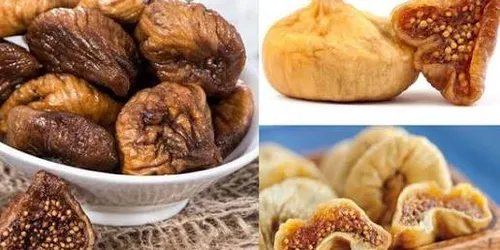
📸 [Photos 3 and 4 – Images of dishes and applications from Fig]
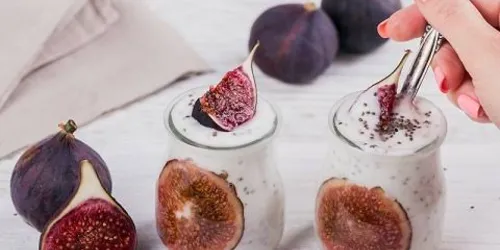

📸 [Photos 5 and 6 – Images of dishes and applications from Fig]

IV. NUTRITIONAL COMPOSITION AND DIVERSE BENEFITS
a. Nutritional composition
- 🌾 Fiber: High content, supports good digestion.
- 🍊 Vitamins: Vitamins A, B, C and K.
- 🦴 Minerals: Calcium, potassium, iron and magnesium.
- 💪 Macros: Carbohydrates provide energy, moderate protein and very little fat or sodium.
b. Remarkable benefits
- 💪 Good for digestion: Abundant fiber improves intestinal movement and prevents constipation.
- ❤️ Cardiovascular protection: Minerals like potassium, magnesium and antioxidants help clean cholesterol plaques and stabilize heart rhythm.
- 🦴 Support strong bones: High calcium and iron in the fruit strengthen bone and joint density.
- ⚖️ Weight and blood sugar control: Fresh fruit provides long-lasting satiety, while low glycemic index fruit extract helps balance blood sugar.
- 🍽️ Nutritious food: Ripe fruit eaten fresh or dried as a snack, providing energy and nutrients.
- 🌳 Garden ornamental tree: Beautiful form, easy to plant in pots or garden, bringing prosperity and good feng shui to the owner.
V. PROPAGATION TECHNIQUES AND DETAILED CARE
a. Propagation
🌱 Cutting technique:
- Branch selection: Take semi-mature branch from healthy mother plant, disease-free, 15-20 cm, with 3-4 buds.
- Treatment: Cut base at an angle, reduce leaves to lower transpiration. Can dip base in rooting hormone.
- Planting: Insert branch into loose, well-drained substrate (coconut fiber mixed with sand or clean soil).
- Care: Place in shade, maintain even moisture. Roots after 15-20 days, transplant after 30-40 days.
🌱 Layering technique:
- Branch selection: Choose healthy branch about 1 cm diameter on well-growing mother plant.
- Girdling: Remove a 2-3 cm ring of bark, scrape the green layer on the wood then let dry slightly.
- Wrapping: Use a mix of humus, coconut fiber and organic fertilizer around the cut, then wrap with plastic and tie both ends tightly.
- Cutting down: After 30-45 days when roots are abundant and yellow-brown, cut the branch from the mother plant to root or plant in a pot.
b. Care and disease prevention
- ☀️ Light and temperature: Place the plant where there is at least 6 hours of direct sun daily for flowering and fruiting. Avoid too dark places or strong storm winds that break branches.
- 💧 Watering: Water when the topsoil layer is dry. Do not water too much to waterlog roots.
- 🌾 Fertilizing: Apply NPK compound fertilizer (balanced ratio like 15-20-20 or 20-20-15) every 15-20 days. Alternate adding organic fertilizer or manure every 2 months. When fruiting, strengthen phosphorus and potassium-rich fertilizers.
- ✂️ Pruning: Regularly cut old, diseased branches and yellow leaves at the base. Reduce leaves at fruit axils to let light in for bigger, sweeter fruit.
🛡️ Pest and disease prevention:
- Rust disease: Orange-yellow spots appear on leaf undersides in humid season. Treat by cutting severe leaves and spraying specific rust medicine evenly on both leaf sides regularly.
- Red spider mites and brown spots: Suck sap causing leaf drop. Prevent by spraying cold water on leaves daily or using biopesticides.
- Leaf-eating insects: Often destroy young leaves when too much nitrogen fertilizer. Need to handpick or prune dense branches to create ventilation.
- General preventive measures: Plant in a place with sufficient soft light, airy soil. Stop watering when it rains heavily to avoid root waterlogging. Spray antifungal every 2-3 weeks or after long rains.
VI. REMEDIES SUPPORTING DISEASE TREATMENT
⚠️ Important note:
This is a folk remedy, not scientifically proven, for reference only.
- Parts used: Fruit, trunk and roots.
- Harvest season:
• Start time: After 6-8 months of care from seedling, the plant begins to give its first fruit.
• Season in year: The plant fruits continuously if enough nutrition and light, peaking in warm months.
• Time of day: Harvest early morning or cool afternoon in dry, rain-free weather. - Preparation form: Fresh and dried.
- Taste: Sweet, cool nature.
- Benefits: Supports digestive system and treats constipation, stabilizes blood pressure and cardiovascular, reduces gastric ulcer inflammation, reduces arthritis and swelling pain, supports blood sugar control.
📝 Therapeutic support benefits:
- Digestive support and constipation treatment: The fiber richness in figs softens stool, stimulates intestinal movement, prevents constipation and improves gut microbiome.
- Blood pressure and cardiovascular stabilization: Figs contain high potassium and magnesium, helping dilate blood vessels, reduce pressure on vessel walls, thereby controlling blood pressure and reducing heart disease risk.
- Reducing gastric ulcer inflammation: Natural compounds in figs have antibacterial ability, support healing of gastric mucosa ulcers and reduce reflux symptoms.
- Reducing arthritis and swelling pain: Thanks to strong antioxidants, figs help reduce inflammatory reactions in the body such as arthritis, sinusitis or inflammatory bowel disease (IBD).
- Supporting blood sugar control: Soluble fiber combined with minerals slows sugar absorption, supporting better blood sugar control.
🌿 Thank you for reading this article!
I hope you gained much useful knowledge about this nutritious temperate fruit.
Don't forget to follow the blog for more interesting information!
📌 Share the article if you found it helpful!

Comments (0)
No comments yet.
Leave a Comment