
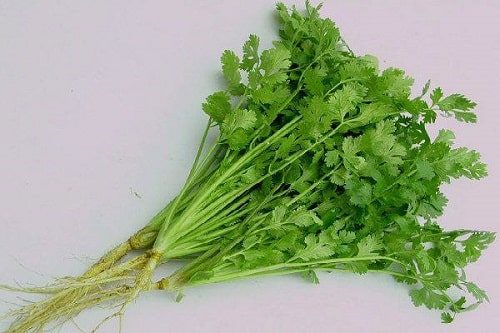
Hello! Today we explore a familiar herb in everyday meals – Cilantro (Coriandrum sativum) – both an indispensable seasoning and a valuable medicinal plant supporting many conditions. Let's find out the details together!
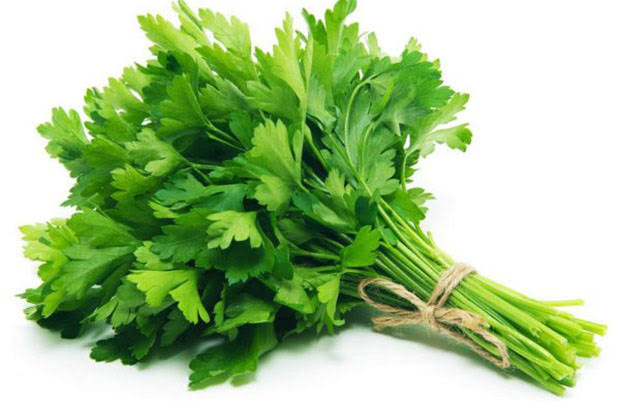
📸 [Photos 1 and 2 – Illustration and real images of the Cilantro plant]
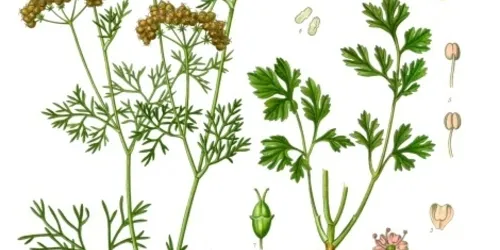
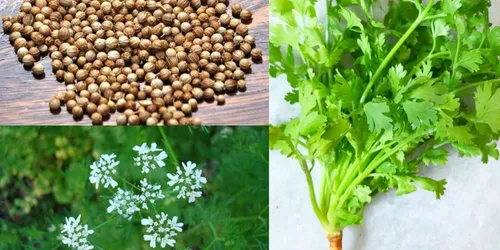
I. GENERAL INTRODUCTION TO CILANTRO
Cilantro (scientific name: Coriandrum sativum) is native to Southwest Asia extending to Africa, then was introduced and widely cultivated in many tropical and temperate countries around the world.
🌱 Identification features
- • Stem and root: Green, soft, smooth herbaceous stem, branched at the top. Root is a small taproot.
- • Leaves: Basal leaves with long petioles, blade divided 1-3 times with toothed margins; upper leaves thinner and smaller.
- • Flowers: Small, white or pale pink, in compound umbels at leaf axils or branch tips.
- • Fruit and seeds: Small spherical fruit (2-4 mm), mature contains seeds used as spice or medicine.
II. HISTORY AND ORIGIN
Cilantro is native to West Asia (Southwest Asia) extending to Africa, then was introduced and widely cultivated in many places around the world. Cilantro seeds were found in ancient Egyptian tombs (such as Pharaoh Tutankhamun's tomb) and mentioned in Indian Vedas and the Old Testament. Ancient Greeks used cilantro as medicine and spice, while Romans brought this plant across Europe to preserve meat and flavor food.
III. GROWTH CHARACTERISTICS AND IDEAL LIVING CONDITIONS
a. Ecological characteristics
- Herbaceous plant, prefers cool climate.
- Rich in essential oils, vitamins and minerals.
b. Care conditions for always green and healthy plants
- 🌡️ Temperature: Ideal 15-25°C. Strong sun wilts and yellows leaves.
- 🌱 Soil: Light loam, sandy, nutrient-rich humus, good drainage.
- 💧 Water: Keep soil consistently moist, water twice daily when young.
- ☀️ Light: Prefers partial shade or morning sun (60-70% light).
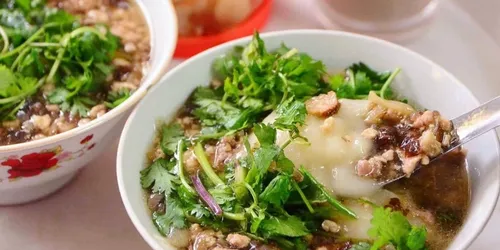
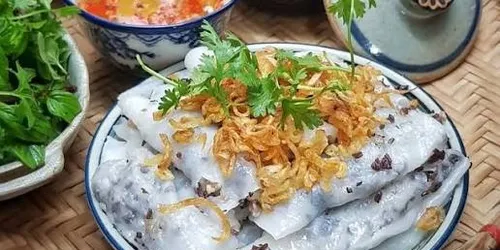
📸 [Photos 3 and 4 – Images of dishes and applications from Cilantro]
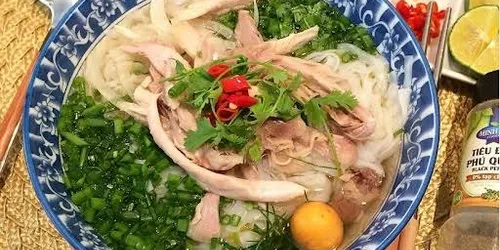
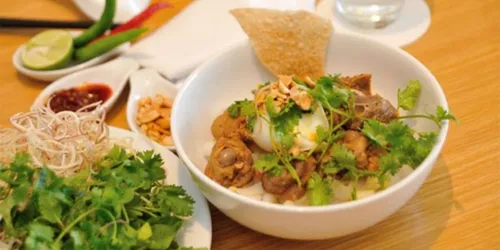
📸 [Photos 5 and 6 – Images of dishes and applications from Cilantro]
IV. NUTRITIONAL COMPOSITION AND DIVERSE BENEFITS
a. Nutritional composition
- 🌿 Essential oils: Linalool (characteristic aroma, antibacterial), Terpenes and Aldehydes (d-pinene, limonene, α-terpinene), Alcohols (geraniol, borneol).
- 🍊 Vitamins: C, A (beta-carotene), K, B1, B2, B6.
- 🦴 Minerals: Potassium, Calcium, Iron, Magnesium, Phosphorus.
- 🌰 Coriander seeds: 13-20% fat, 16-18% protein, 0.3-1% essential oil.
b. Remarkable benefits
- 🥗 Digestive support: Stimulates gastric juices, reduces bloating, distension, improves appetite.
- 🩺 Support for measles treatment: Promotes rapid and even appearance of measles rash in children.
- 🤧 Cold relief: Decoction or steam to treat colds, mild fever without sweating.
- 🧴 Antibacterial, deodorizing: Reduces bad breath, cleanses skin, prevents acne.
- ❤️ Cardiovascular protection: Lowers bad cholesterol, stabilizes blood sugar.
V. PROPAGATION TECHNIQUES AND DETAILED CARE
a. Propagation
🌱 Seed preparation:
- Choose uniform, plump, non-insect-damaged seeds. Rub lightly to separate double seeds so sprouts grow evenly.
- Soak seeds in warm water (40-50°C) for 12-14 hours, or 24 hours for old dry seeds.
- Wrap in damp cloth 2-3 days until cracked.
🌱 Soil preparation:
- Loose, humus-rich, well-drained soil (light loam or sandy mix).
- Make beds 20-25 cm high, 1.2 m wide, apply composted manure as base fertilizer.
🌱 Sowing technique:
- Sow in rows 10-15 cm apart or broadcast evenly (1-1.2 g/m²).
- Cover with fine soil or thin straw 1 cm to retain moisture.
- Spray finely immediately after sowing.
b. Care and disease prevention
- 💧 Watering: 1-2 times/day with fine spray, maintain moisture, avoid waterlogging.
- ☀️ Light: Moderate sun (morning or partial shade).
- 🌾 Fertilizing: After 2 weeks, diluted NPK or vermicompost. Avoid excess nitrogen.
- 🧹 Weeding: Pull weeds around the base regularly.
- ✂️ Thinning: Remove large plants so remaining ones grow strong.
🛡️ Pest and disease prevention:
- Soil treatment: Plow, dry, spread lime before sowing.
- Water management: Water moderately, avoid waterlogging causing root rot.
- Rain cover: Protect from heavy rain to avoid leaf damage.
- Field hygiene: Clean residues, pull diseased plants.
- Soft rot: Stop nitrogen, destroy diseased plants, use Validamycin.
- Leaf-eating insects, aphids: Handpick or spray garlic, chili, ginger solution.
VI. REMEDIES SUPPORTING DISEASE TREATMENT
⚠️ Important note:
This is a folk remedy, not scientifically proven, for reference only.
- Parts used: Stems and roots.
- Harvest season: Main season (10-1). Harvest leaves after 30-35 days, seeds after 3 months.
- Preparation form: Fresh and dried.
- Taste: Pungent, warm nature.
- Benefits: Stimulates digestion, lowers blood sugar, protects cardiovascular, anti-inflammatory, antibacterial, reduces fever, supports childhood measles.
📝 Therapeutic support benefits:
- Digestive stimulation: Linalool reduces bloating, loss of appetite, belching, vomiting.
- Blood sugar lowering support: Active compounds promote enzymes that remove sugar in blood.
- Cardiovascular protection: Lowers LDL, blood pressure, purifies blood.
- Anti-inflammatory, antibacterial: Prevents infection, improves acne, itchy rashes.
- Reduces fever, treats colds: Warm nature helps sweating, treats colds, mild fever.
- Supports childhood measles: Promotes rapid, even measles rash appearance, accelerates detox.
🌱 Thank you for reading this article!
I hope you gained much useful knowledge about this familiar herb.
Don't forget to follow the blog for more interesting information!
📌 Share the article if you found it helpful!
Comments (0)
No comments yet.
Leave a Comment