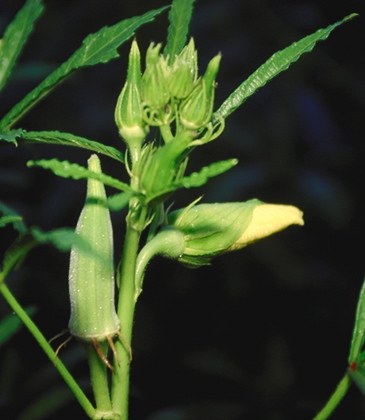
Hello there! Today, let's explore a familiar green vegetable known for its unique mucilage texture and great health benefits – The Okra Plant (Abelmoschus esculentus) – both a nutritious food and a valuable natural remedy for various conditions. Let's dive into the details!
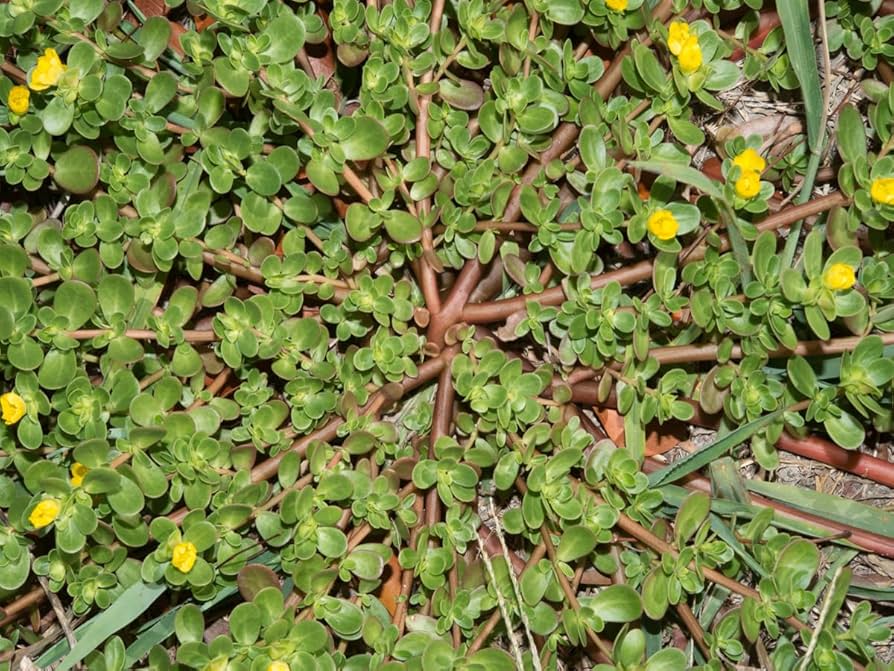
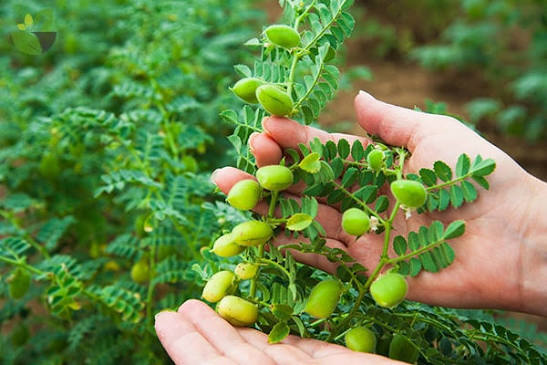
📸 [Photos 1 & 2 – Illustrations and Actual Appearance of Okra Plant]


I. GENERAL OVERVIEW OF OKRA
Okra (scientific name: Abelmoschus esculentus) is a flowering plant species valued for its edible green seed pods. It can grow as an annual or perennial reaching up to 2.5 meters in height. The leaves are 10–20 cm long and broad, palmately lobed with 5–7 lobes. The flowers are 4–8 cm in diameter, featuring 5 white or yellow petals, often with a red or purple spot at the base of each petal. The fruit is a capsule up to 20 cm long containing numerous seeds.
🌱 Key Characteristics
- • Stem: Herbaceous, erect, branched, covered with stiff hairs.
- • Leaves: Large, 10-20 cm wide, deeply 5-7 palmately lobed with serrated margins.
- • Flowers: Large, 4-8 cm in diameter, solitary in leaf axils, 5 yellow or white petals with red basal spots.
- • Fruit: Long pointed pod, 10-20 cm long, 5 longitudinal ridges, filled with round seeds and mucilage.
II. HISTORY AND ORIGIN
Okra originated in West and East Africa, specifically in regions surrounding modern-day Ethiopia and Sudan. From Africa, the plant was introduced and spread across subtropical, temperate, and global regions due to its strong adaptability.
III. GROWTH CHARACTERISTICS AND IDEAL CONDITIONS
a. Ecological Profile
- Sun-loving plant, ideal for tropical and subtropical climates.
- Nutrient-dense pods rich in soluble fiber and mucilage.
b. Care Guidelines for Healthy Growth
- 🌡️ Temperature: Ideal 25-35°C. Heat tolerant, frost sensitive.
- ☀️ Sunlight: Full sun required, direct light exposure.
- 🌱 Soil: Sandy loam, light, well-draining, pH 5.5-6.8.
- 💧 Watering: Maintain 80-85% soil moisture. Water 1-2 times daily during dry spells.
- 🌾 Nutrition: Basal organic compost, apply NPK during flowering and pod development.
📸 [Photos 3 & 4 – Culinary Dishes and Uses of Okra]


IV. NUTRITIONAL COMPOSITION AND HEALTH BENEFITS
a. Nutritional Profile
- 🍊 Vitamins: A, C, K, B6, and Folate.
- 🦴 Minerals: Potassium, Calcium, Magnesium, Iron, Zinc, Phosphorus.
- 🥗 Fiber & Mucilage: Pectin, hemicellulose, alpha-cellulose.
- 🧬 Other Compounds: Proteins, carbohydrates, and flavonoids.
b. Key Benefits
- 🥗 Digestive Health: Pectin mucilage soothes stomach lining, relieves constipation.
- 🩸 Blood Sugar Control: Slows sugar absorption, aids diabetes management.
- ❤️ Heart Protection: Lowers bad cholesterol, potassium balances blood pressure.
- 💄 Beauty & Weight Loss: Antioxidants counter aging, low calorie content promotes satiety.
- 🦴 Joint & Bone Support: Vitamin K strengthens bones and supports joint lubrication.
V. PROPAGATION AND MAINTENANCE TECHNIQUES
a. Propagation
🌱 Seed Preparation:
- Select plump, healthy, undamaged seeds.
- Soak in warm water for 2-3 hours.
- Rinse off gel layer, keep in a moist towel for 24-48 hours until sprouted.
🌱 Sowing & Seedling Care:
- Prepare loose soil, build raised beds for drainage.
- Sow 1-2 cm deep, 70 cm row spacing, 40 cm plant spacing.
- Keep moist. Thin out weaker seedlings when plants reach 7-10 cm.
b. Care & Pest Control
- ☀️ Light: Requires at least 6 hours of direct sunlight daily.
- 💧 Watering: 1-2 times daily to maintain 80-85% humidity.
- 🌾 Fertilization: Organic fertilizer at 2 true leaves, NPK at 5 leaves, Potassium at flowering.
- 🌱 Weeding & Earthing Up: Weed regularly, mound soil around base as plant grows.
🛡️ Pest & Disease Management:
- Pod Borers: Remove egg sacs, use biological Mebe Pa products.
- Jassids / Leafhoppers: Maintain proper spacing and field sanitation.
- Caterpillars: Apply Bt biological sprays when larvae are small.
- Root Rot & Yellowing: Raise beds high, treat soil with lime.
- Anthracnose: Prune infected areas, maintain adequate ventilation.
VI. TRADITIONAL REMEDIES & USES
⚠️ Important Note:
These remedies are based on traditional practices and should serve as reference only, not a substitute for medical advice.
- Parts Used: All parts (fruit, leaves, roots, seeds).
- Harvest Seasons: Spring and Autumn crops.
- Form: Fresh or dried.
- Properties: Sweet taste, cooling nature.
- Therapeutic Value: Supports digestion, controls blood sugar, benefits heart health, prevents anemia.
📝 Uses by Plant Part:
- Pods (Young & Mature): Laxative, protects stomach lining, lowers blood sugar. Consume fresh, boil into tea, or apply topically for boils.
- Roots & Leaves: Treats coughs, sore throat, urinary tract issues. Fresh crushed leaves make excellent poultices for skin inflammation.
- Seeds: Rich in fatty oils. Roasted mature seeds serve as a caffeine-free coffee substitute.
🌱 Thank You for Reading!
We hope you found this guide to Okra helpful and informative.
Don't forget to follow our blog for more botanical updates!
📌 Share this article if you enjoyed it!

Comments (0)
No comments yet.
Leave a Comment