Hello! Today we explore the humble yet incredibly nutritious plant – Purslane (also known as Pigweed or Longevity Herb) – a refreshing food for meals and a precious remedy supporting many health conditions. Let's dive in!
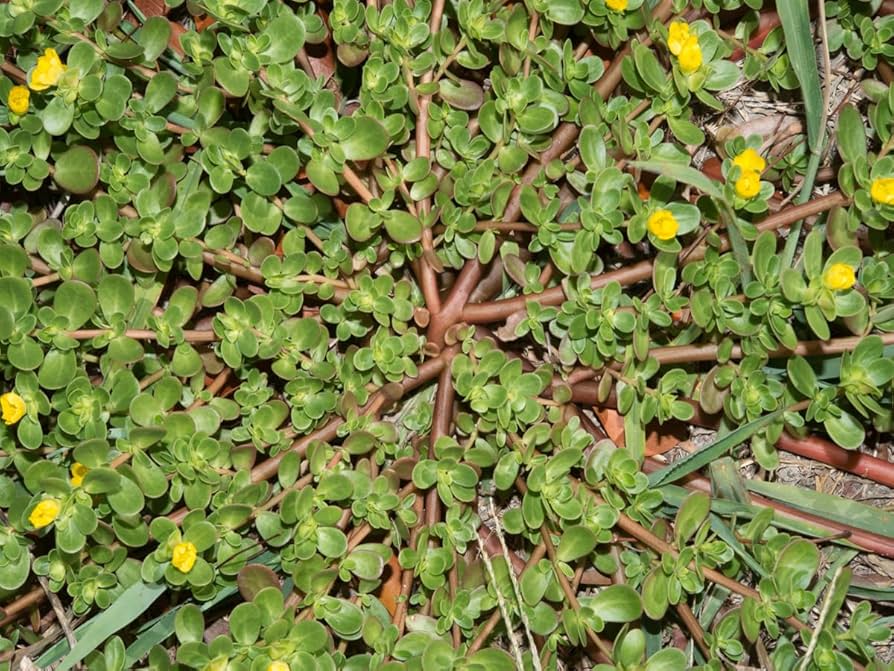
📸 [Photo 1 & 2 – Simulated and real images of Purslane]


I. INTRODUCTION TO PURSLANE
Purslane (scientific name: Portulaca oleracea) is an annual succulent plant in the family Portulacaceae, reaching up to 40 cm in height. It is native to the Mediterranean region, tropical Africa, the Middle East, Pakistan, and Afghanistan, but has adapted to tropical and temperate regions worldwide. In many places it may be considered a weed, but in reality it is a valuable medicinal herb.
🌱 Identification Features
- • Stem: Succulent, smooth, reddish or purple. Highly branched, creeping along the ground, 10-30 cm long.
- • Leaves: Simple, opposite or alternate, small petioles. Thick, slightly flattened, egg-shaped or wedge-shaped, smooth surface.
- • Flowers: Small, bright yellow, in leaf axils or branch tips, usually blooming in the morning.
- • Fruit and Seeds: Small capsules, opening horizontally when ripe to release many small black seeds.
- • Roots: Fibrous root system, deep-rooted giving the plant strong vitality.
II. HISTORY AND ORIGIN
Purslane originates from the Mediterranean region and tropical Africa, extending to the Middle East and the Indian subcontinent. It has been used as food and medicine for thousands of years in ancient Egypt, Greece, and Rome. In China, this plant was praised in ancient texts and called "Trường Thọ Thái" (longevity vegetable) due to its resilience and health benefits.
III. GROWTH CHARACTERISTICS AND IDEAL CONDITIONS
a. Ecological Characteristics
- Annual plant, succulent stems, strong vitality.
- Can grow in various soil types.
b. Care Conditions for Lush Growth
- ☀️ Light: Sun-loving, more light means thicker stems, larger leaves, faster growth.
- 🌡️ Temperature: Ideal 25-35°C. Tolerates heat well but does not tolerate cold.
- 🌱 Soil: Loose, humus-rich, well-drained, pH 5.5-7.0.
- 💧 Water: Prefers moderate moisture, regular watering, good drainage to prevent root rot.
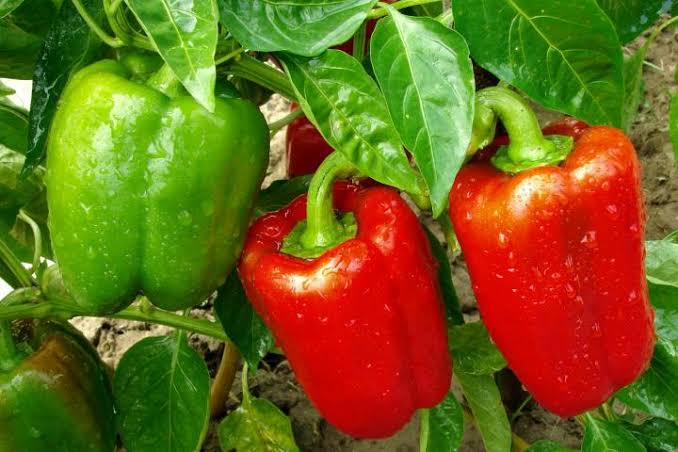
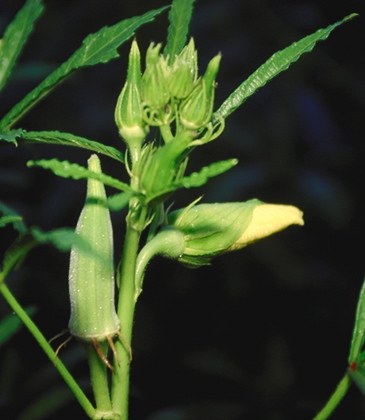
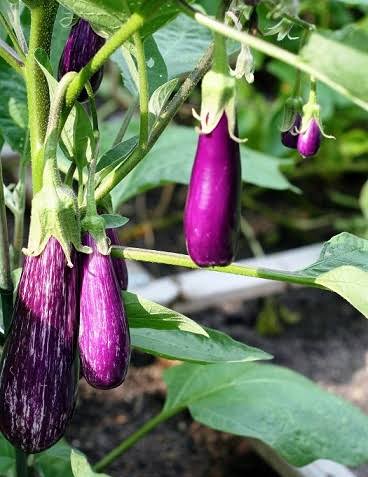
📸 [Photo 3 & 4 – Dishes and applications of Purslane]


IV. NUTRITIONAL COMPOSITION AND VERSATILE USES
a. Nutritional Components
- 🥗 Omega-3 (ALA): High content, 5 times more than spinach.
- 🍊 Vitamins: Rich in Vitamins A, C, E and B-complex.
- 🦴 Minerals: Calcium, Iron, Magnesium, Potassium.
- 🧬 Antioxidants: Glutathione, beta-carotene, flavonoids.
b. Wonderful Applications
- 🍳 Culinary: Boiled purslane, purslane soup with dried shrimp, stir-fried purslane with garlic, purslane salad.
- 💊 Health Support: Aids digestion, improves cardiovascular health, skin cleansing, anti-inflammatory, pain relief.
V. PROPAGATION AND CARE TECHNIQUES
a. Propagation
🌱 Seed Sowing Method:
- Seed treatment: Soak seeds in warm water (2 boiling:3 cold) for 2-5 hours, germinate in a warm cloth until sprouting.
- Sowing: Prepare loose soil, shallow furrows 1cm deep, rows 5-7cm apart, sprinkle evenly, cover with thin soil, cover with straw or shade net.
- Care: Mist water to maintain moisture, seeds germinate in 7-10 days.
🌱 Cutting Method:
- Select semi-mature stems, 10-20cm long, with 3-4 leaf nodes.
- Plant cuttings in loose, moist soil at a 45° angle, water, place in shade for a few days.
b. Care and Disease Prevention
- ☀️ Light: Needs 6-8 hours of sunlight/day.
- 💧 Watering: 1-2 times/day, good drainage.
- 🌾 Nutrition: Apply organic fertilizer 10-15 days after sowing when 2-3 true leaves appear.
- ✂️ Harvest: Cut young stems when 20-30cm long, plant continues to grow new branches.
🛡️ Pest and Disease Management:
- Moisture management: Well-drained soil to prevent fungal root rot.
- Fertilization and resistance: Use organic fertilizer, Trichoderma antagonistic fungi.
- Manual methods: Remove weeds, remove diseased plants.
- Biological treatment: Use biological products or garlic, chili solutions.
VI. SUPPORTIVE REMEDIES
⚠️ Important Note:
This is a folk remedy without scientific validation – for reference only.
- Part used: Whole plant.
- Harvest season: Year-round, best in spring-summer.
- Preparation: Can be used fresh or dried.
- Taste & Nature: Sour taste, cooling nature.
- Uses: Aids digestion, improves cardiovascular health, skin cleansing, anti-inflammatory, pain relief.
📝 Some Supportive Remedies:
- For dysentery, diarrhea: Cook fresh purslane porridge or combine with milkweed.
- For intestinal worms: Drink fresh purslane juice on an empty stomach for 3-5 days.
- For bloating, flatulence: Cook purslane soup with rice washing water.
- For painful urination: Cook purslane soup with amaranth for 5-7 days.
- For boils, itching: Crush fresh purslane and apply directly to the affected area.
- For fever rash, itching: Drink purslane juice, use the pulp to rub on the skin.
- For hemorrhoids: Reduces swelling, pain, and bleeding.
- For postpartum discharge: Boil fresh or dried purslane for postpartum women.
🌱 Thank you for reading!
We hope you found useful information about this humble yet nutritious plant.
Don't forget to follow our blog for more interesting content!
📌 Share if you found this helpful!



Comments (0)
No comments yet.
Leave a Comment