
Hello! Today we explore the familiar fruit with its vibrant red color and distinctive flavor – Tomato (Solanum lycopersicum) – a nutritious food and a precious remedy supporting many health conditions. Let's dive in!
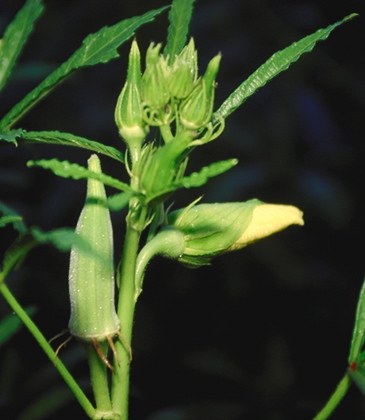
📸 [Photo 1 & 2 – Simulated and real images of Tomato]


I. INTRODUCTION TO TOMATO
Tomato (scientific name: Solanum lycopersicum) is a fruit vegetable widely consumed around the world. The fruit is initially green, turning from yellow to red when ripe. Tomatoes have a slightly sour taste and are nutritious, rich in vitamin C and A, especially lycopene which is good for health.
🌱 Identification Features
- • Stem: Herbaceous, succulent, young stems green or light purple with fine hairs. Can become woody at the base when mature.
- • Roots: Strong fibrous root system, shallow (30-40cm), quickly produces adventitious roots.
- • Leaves: Pinnately compound, alternate, serrated edges, hairy surface.
- • Flowers: Bright yellow, clustered in leaf axils, bisexual, high self-pollination.
- • Fruit: Berry, containing many small seeds. Green when unripe, turning red, yellow or orange when ripe. Rich in vitamins A, C, E and Lycopene.
II. HISTORY AND ORIGIN
Tomato originates from the Andes highlands of South America (Peru, Ecuador, Bolivia). Domesticated by the Aztecs and Incas in Mexico, the plant was brought to Europe in the 16th century. Initially, Europeans considered it a "poison apple" and only grew it as an ornamental plant for over 200 years before it became a global fruit vegetable.
III. GROWTH CHARACTERISTICS AND IDEAL CONDITIONS
a. Ecological Characteristics
- Herbaceous plant, succulent, sun-loving and warm climate.
- Fruit rich in nutrients, vitamins and antioxidants.
b. Care Conditions for Lush Growth
- 🌡️ Temperature: Ideal 18-30°C, optimal 22-24°C. Below 10°C or above 35°C growth stops.
- ☀️ Light: Sun-loving, needs 6-8 hours/day, intensity 4,000-10,000 lux.
- 💧 Humidity and Water: Humidity 45-55%. Above 65% prone to fungal diseases. Moderate soil moisture, especially during flowering and fruit setting.
- 🌱 Soil: Light loam, sandy loam, alluvial soil, rich in humus, well-drained, pH 6.0-6.5.
- 🌾 Nutrition: Needs adequate macronutrients (N,P,K) and micronutrients through growth stages.
📸 [Photo 3 – Dishes from Tomato]

📸 [Photo 4 & 5 – Dishes and applications of Tomato]


IV. NUTRITIONAL COMPOSITION AND VERSATILE USES
a. Nutritional Components (per 100g)
- 🍅 Energy: 18 kcal.
- 💧 Water: ~94g.
- 🍚 Carbohydrates: 3.9g (2.6g natural sugars).
- 🥩 Protein: 0.9g.
- 🥗 Fiber: 1.2g.
- 🍊 Vitamins: Rich in Vitamin C, A, K, B6 and Folate.
- 🦴 Minerals: Potassium, Manganese, Magnesium, Calcium, Iron.
- 🧬 Beneficial compounds: Lycopene, Beta-carotene, Lutein.
b. Wonderful Applications
- 💄 Skin beauty and sun protection: Lycopene protects skin from UV rays, brightens skin, fades dark spots.
- ❤️ Heart health: Reduces bad cholesterol, stabilizes blood pressure.
- 👁️ Eye health: Vitamin A, Lutein, Zeaxanthin prevent macular degeneration.
- 🛡️ Cancer prevention: Strong antioxidant, especially for prostate cancer.
- 💪 Boosts immunity: Vitamin C strengthens the immune system.
V. PROPAGATION AND CARE TECHNIQUES
a. Propagation
🌱 Seed Sowing Method:
- Soak seeds in warm water (50°C) for 6-8 hours to stimulate germination.
- Sow seeds in trays with loose substrate, keep moist, place in cool area. Germinates in 7-10 days.
- When seedlings reach 10-15cm (5-6 true leaves), transplant to pots or garden soil.
🌱 Cutting Method:
- Select healthy side shoots, 10-20cm long.
- Place in clean water or moist soil, keep in shade. Roots form in 7-10 days and can be planted.
b. Care and Disease Prevention
- ☀️ Light: Minimum 6 hours of sunlight/day.
- 💧 Watering: Water at the base, avoid watering leaves in the evening. Needs more water during flowering and fruit setting.
- 🏗️ Staking: When plant reaches 30-40cm, insert stakes or trellis (2m) for support.
- ✂️ Pruning: Remove side shoots, leave 4-6 fruits per cluster. Pinch the top when plant reaches maximum height.
- 🌾 Fertilization: Change according to stages: NPK 30-10-10 (after 15 days), 20-20-15 (budding), 15-15-15 (flowering), 16-9-21 (fruit development).
🛡️ Pest and Disease Management:
- Soil treatment: Plow, sun-dry soil, apply lime, crop rotation.
- Water control: Water only the base, avoid leaves.
- Hygiene: Prune old leaves, remove diseased plants.
- Biological products: Use Trichoderma for root protection.
- Fungal diseases: Spray biological products or copper-based fungicides.
- Viral diseases: Control insects with sticky traps or biological pesticides.
VI. SUPPORTIVE REMEDIES
⚠️ Important Note:
This is a folk remedy without scientific validation – for reference only.
- Part used: Fruit and leaves.
- Harvest season: Year-round.
- Preparation: Can be used fresh or dried.
- Taste & Nature: Sour, slightly sweet.
- Uses: Heart health, skin beauty, vision, cancer prevention, weight management.
📝 Health Support Benefits:
- Cancer prevention: Lycopene protects cells, reduces risk of prostate and stomach cancer.
- Heart health: Reduces bad cholesterol, lowers blood pressure, prevents atherosclerosis.
- Vision: Vitamin A and C prevent night blindness and macular degeneration.
- Bone health: Vitamin K and calcium increase bone density.
- Blood sugar control: Low in carbohydrates, rich in fiber and chromium, regulates blood sugar.
- Sleep improvement: Lycopene and vitamin C promote deeper sleep.
- Sunburn relief: Antioxidants soothe inflamed skin, protect from UV rays.
- Collagen stimulation: Vitamin C promotes collagen production, anti-aging.
🌱 Thank you for reading!
We hope you found useful information about this golden fruit for health.
Don't forget to follow our blog for more interesting content!
📌 Share if you found this helpful!

Comments (0)
No comments yet.
Leave a Comment