
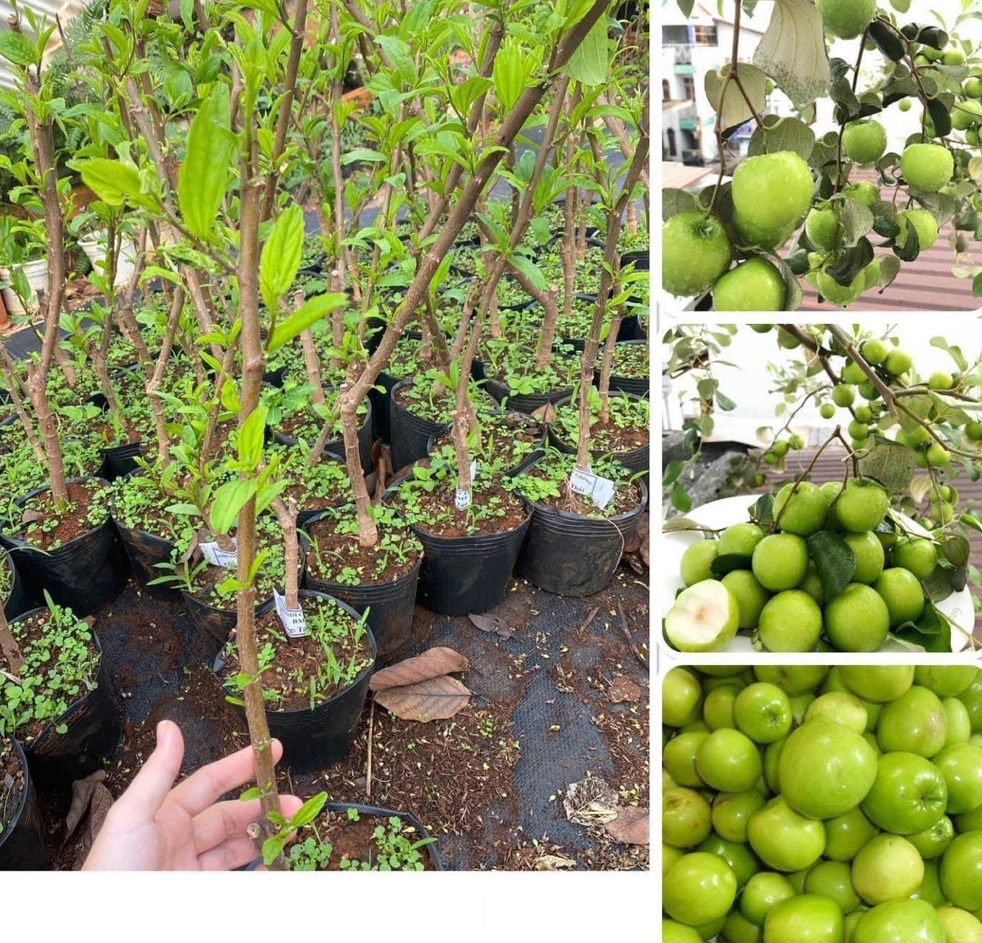
Hello! Today we explore the familiar tropical fruit with a sweet, refreshing taste and countless wonderful benefits – the Indian Jujube Tree (Ziziphus mauritiana) – both a refreshing fruit and a valuable medicinal plant supporting many conditions. Let's find out the details together!
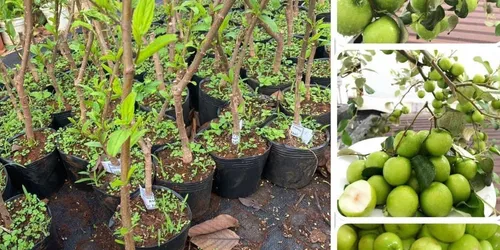
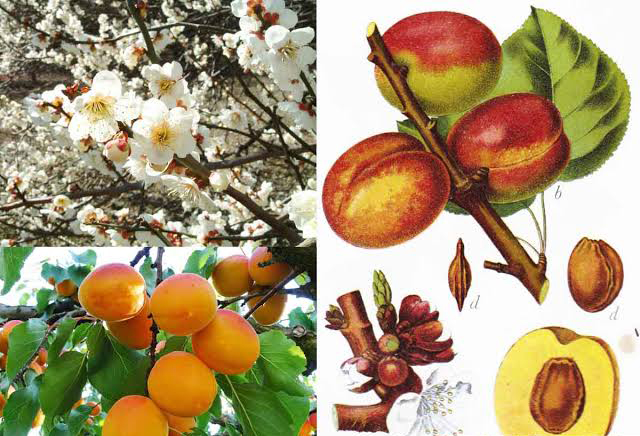
📸 [Photo 1 – Illustration and real images of the Indian Jujube Tree]
I. GENERAL INTRODUCTION TO THE INDIAN JUJUBE TREE
Indian Jujube (scientific name: Ziziphus mauritiana) is a fruit tree of tropical regions, belonging to the Rhamnaceae family. The tree can grow very quickly even in dry areas and reach 12 meters tall and live 25 years. It originates from Asia (mainly India) although it can also be found in Africa. The fruit is a drupe, when ripe it is soft, juicy, with a sweet taste.
🌱 Identification features
- • Trunk and branches: Small woody tree, rough bark, drooping branches bearing small sharp thorns.
- • Leaves: Oval or oblong leaves, alternate, margins finely serrated, upper surface smooth green, lower surface hairy with 3 main veins along the leaf.
- • Flowers: Small white or pale yellow flowers, growing in clusters at leaf axils.
- • Fruit and seed: Spherical or obovate drupe, thin skin, thick flesh, hard and rough seed. Fruits ripen at different times even on just one tree, pale green when young and pale yellow when ripe.
II. HISTORY AND ORIGIN
The Indian Jujube Tree originates from the Asian tropical zone, mainly concentrated in India, and is also found in some regions of Africa.
📜 History
- Origin: Asian tropical zone, especially concentrated in India and some regions of Africa.
- Scientific name: Genus Ziziphus, family Rhamnaceae.
- Spread: The tree adapts very quickly to hot humid climate, following ancient trade routes to reach Southeast Asian countries, including Vietnam.
III. GROWTH CHARACTERISTICS AND IDEAL LIVING CONDITIONS
a. Ecological characteristics
- Small perennial woody tree, prefers tropical and subtropical climate.
- Rich in vitamin C, vitamin A, B group vitamins and minerals.
b. Care conditions for always green and healthy trees
- 🌡️ Temperature and Climate: Suitable for tropical and subtropical climate. Ideal temperature: 20°C - 30°C. Tolerates a fairly wide temperature range but not prolonged cold.
- ☀️ Light: The tree loves full light, needs at least 5-6 hours of direct sunlight per day. Lack of sunlight makes the tree stunted, few fruits and prone to pests.
- 🌱 Soil: Prefers sandy loam, riverside alluvial soil or humus-rich loam. Suitable pH 5.5 - 6.5. Requires loose soil, rich in nutrients and well-drained in the rainy season.
- 💧 Water and Humidity: Needs moderate humidity. Needs regular watering during flowering and fruit development. Good drought tolerance but fears waterlogging causing root rot.
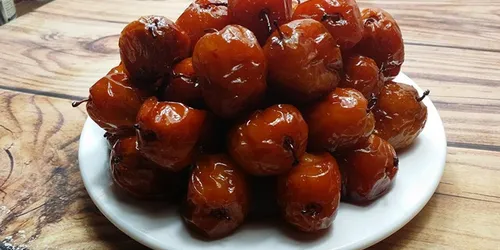
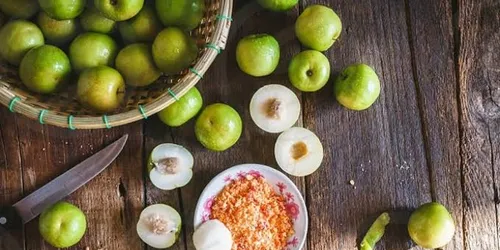
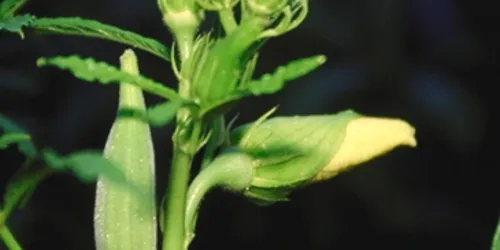
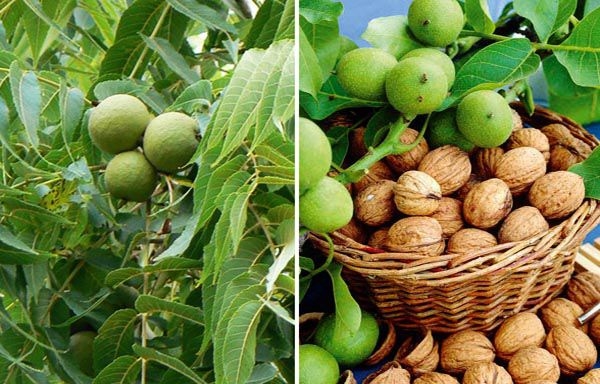
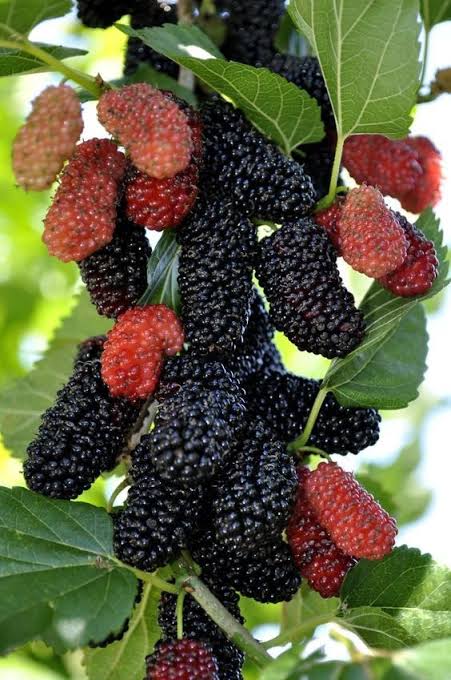
📸 [Photos 2 and 3 – Images of Indian jujube fruits and applications]
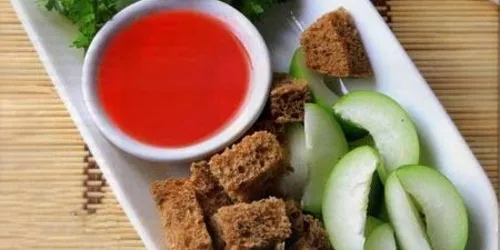
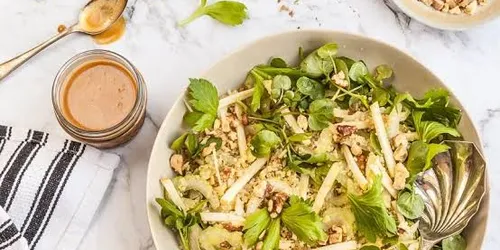
📸 [Photos 4 and 5 – Images of Indian jujube fruits and applications]
IV. NUTRITIONAL COMPOSITION AND DIVERSE BENEFITS
a. Nutritional composition
Indian jujube fruit flesh:
- 💧 Water and sugar: Make up most of the weight, providing quick energy.
- 🍊 Vitamins: Rich in vitamin C, vitamin A and B group vitamins (B1, B2, B3).
- 🦴 Minerals: Contains calcium, phosphorus, iron, potassium and magnesium.
- 🌾 Other substances: Fiber, protein and organic acids.
Indian jujube seed:
- 💪 Nutrition: Contains protein, fat and vitamin A.
- 🧬 Biological compounds: Contains flavonoids, saponins and phytosterols.
Leaves and bark:
- 🍃 Leaves: Contain substances such as quercetin and rutin.
- 🌳 Trunk bark: Contains mauritine A compound.
b. Remarkable benefits
Benefits of the Indian jujube fruit:
- 🛡️ Boosts immunity: Contains high vitamin C content helping antioxidation, enhancing the immune system and protecting skin.
- 🌾 Supports digestion: Stimulates taste, increases gastric secretion, helps appetite and lubricates the intestines thanks to abundant fiber.
- 🥤 Refreshes, quenches thirst: The fruit has a cool nature, helps generate body fluids, reducing dry throat or thirst on hot days.
- 💪 Nourishes the body: Supports recovery for convalescents, weak or anemic people.
Benefits of other parts:
- 🌰 Jujube seed (táo nhân): Has a sedative action, supports insomnia treatment, reduces fatigue and palpitations.
- 🍃 Jujube leaf: Has a cool nature, helps cool, detoxify, supports reducing painful swelling or acne when crushed and applied.
- 🌳 Trunk bark: Has an astringent effect, supports regulation and reduces diarrhea.
Common consumption methods:
- 🍽️ Direct consumption: Dipped in chili salt or shrimp salt.
- 🍯 Jujube jam: Cooked in sugar or coated in honey as a soft jam to eat gradually.
- 🥗 Jujube chicken salad: Mix sliced jujube with shredded chicken, herbs and sweet-sour fish sauce.
- 🍲 Pork ribs with jujube: Stew pork ribs with jujube to create natural sweetness in the broth.
- 🥩 Beef jerky with jujube: Mix crunchy sweet-sour jujube with beef jerky and laksa leaves.
V. PROPAGATION TECHNIQUES AND DETAILED CARE
a. Propagation
🌱 Grafting method (Most common and effective):
- Sowing rootstock: Take mature healthy Indian jujube seeds, sow in polybags or moist soil beds to grow into seedlings. When the rootstock reaches a stem diameter of about 0.5 - 1 cm, proceed to graft.
- Taking scion: Choose semi-mature, healthy, disease-free branches from a high-yielding mother tree. Cut the scion part with a little wood (window grafting or T grafting).
- Performing grafting: Make a cut on the rootstock, insert the scion and use plastic to seal the graft wound to prevent rainwater and retain moisture. After 2 - 3 weeks, remove the plastic and care when new shoots develop.
🌱 Layering method:
- Choosing layering branch: Choose a semi-mature branch of diameter 1 - 1.5 cm in the middle of the canopy, healthy and well sun-exposed.
- Girdling: Use a knife to girdle about 3 - 4 cm of bark, scrape clean the fine white outer layer and let sap dry 1 - 2 days.
- Wrapping: Use a mixture of dried pond mud mixed with straw, coconut fiber and mature manure around the girdle then wrap with plastic, tie both ends tightly. After 1.5 - 2 months when the branch produces white roots, cut off to root or plant.
b. Care and disease prevention
- ☀️ Light: Place the tree in a place with much direct sunlight at least 5-6 hours per day for the tree to be healthy and bear many fruits.
- 💧 Watering: Water once a day in the first week, then maintain watering every 2 days. When it rains reduce water, in the dry season keep good moisture at the base.
- 🌾 Fertilizing: In the early stage, apply mature organic fertilizer combined with nitrogen and phosphorus around the base. In the flowering and fruiting stage, add NPK fertilizer to nourish the fruit to grow large and sweet.
- ✂️ Pruning and cleaning: Cut diseased branches, small branches hidden in the canopy after each harvest to create ventilation. Clean dry leaves around the base to prevent pests from breeding.
🛡️ Pest and disease prevention:
- Cultivation and general preventive measures: Prune branches to form an airy canopy. Cut old, diseased branches. Collect and destroy fallen, diseased fruits. Water and fertilize balanced.
- Fruit borers, leaf-eating insects, leaf rollers: Use insecticides like Sherpa or Trebon according to the doses indicated on the packaging.
- Mealybugs and red spider mites: Spray strong water to wash off when first appearing or use specific medicine against sap-sucking insects.
- Jujube processionary caterpillars: Check the orchard regularly and catch manually or spray a safe biopesticide.
- Powdery mildew: Spray the medicine evenly on the canopy when detecting the first signs. Cut severely diseased branches to avoid spreading.
VI. REMEDIES SUPPORTING DISEASE TREATMENT
⚠️ Important note:
This is a folk remedy, not scientifically proven, for reference only.
- Parts used: Leaves, fruits, seeds, bark.
- Harvest season:
• Growth period: The tree usually flowers around the 6th–8th lunar month, fruits from the 8th–9th lunar month and ripens en masse in winter-spring.
• Harvest frequency: In a main season, fruits do not ripen at the same time but extend over about 1–2 months. Growers often pick the early ripe fruits first (from the 11th lunar month), then harvest continuously until the last fruit waves in the 1st–2nd lunar month.
• Color: Fruit skin changes from dark green to bright green, then to bright yellow or ivory white.
• Quality: Fruit plump, firm in hand, crunchy and deeply sweet when eaten. Avoid harvesting too young (fruit still milky, bitter astringent taste) or too old remaining long on the tree (flesh easily spongy or sour due to fermentation). - Preparation form: Dried and fresh.
- Properties: Sweet refreshing taste, slightly sour and neutral or slightly warm nature.
- Benefits:
• Seed (Toan táo nhân): Mature Indian jujube seeds sun-dried or oven-dried help nourish the heart, calm, support treatment of insomnia, palpitations and night sweats.
• Leaves: Used fresh or dried, decocted to drink supports treatment of asthma, bronchitis or used as mouthwash to treat sore throat.
• Fruit: Provides many vitamins and nutrients, helps nourish the body and stimulate digestion.
• Bark: Can be used according to folk experience in some medicinal recipes.
🍏 Thank you for reading this article!
I hope you gained much useful knowledge about this nutritious tropical fruit.
Don't forget to follow the blog for more interesting information!
📌 Share the article if you found it helpful!
Comments (0)
No comments yet.
Leave a Comment