
Hello! Today we explore the famous temperate fruit with a sweet, refreshing taste and countless wonderful benefits – the Apple Tree (Malus domestica) – both a nutritious food and a valuable medicinal plant supporting many conditions. Let's find out the details together!
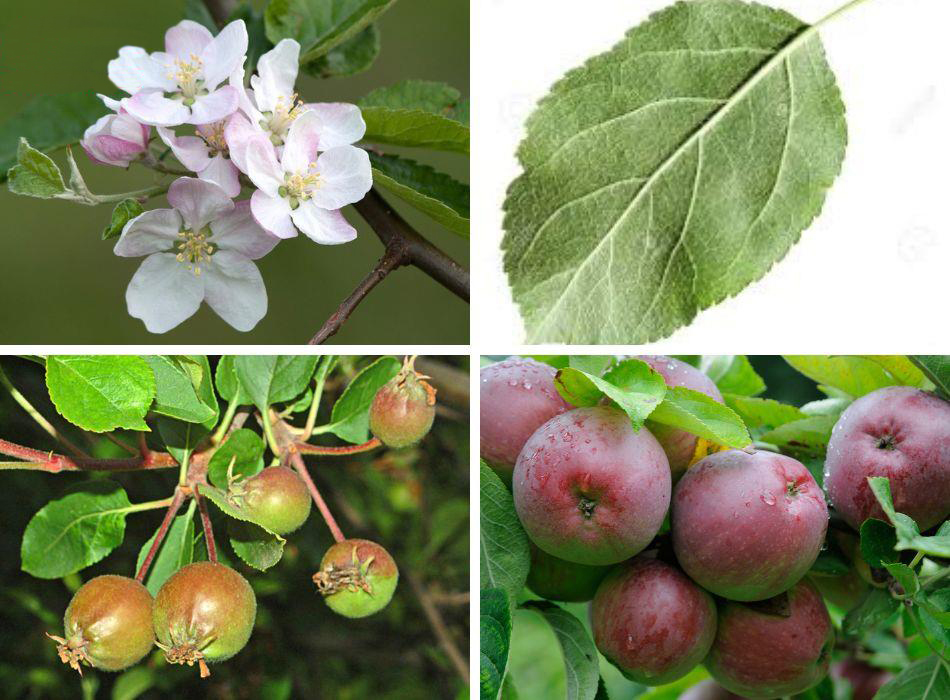
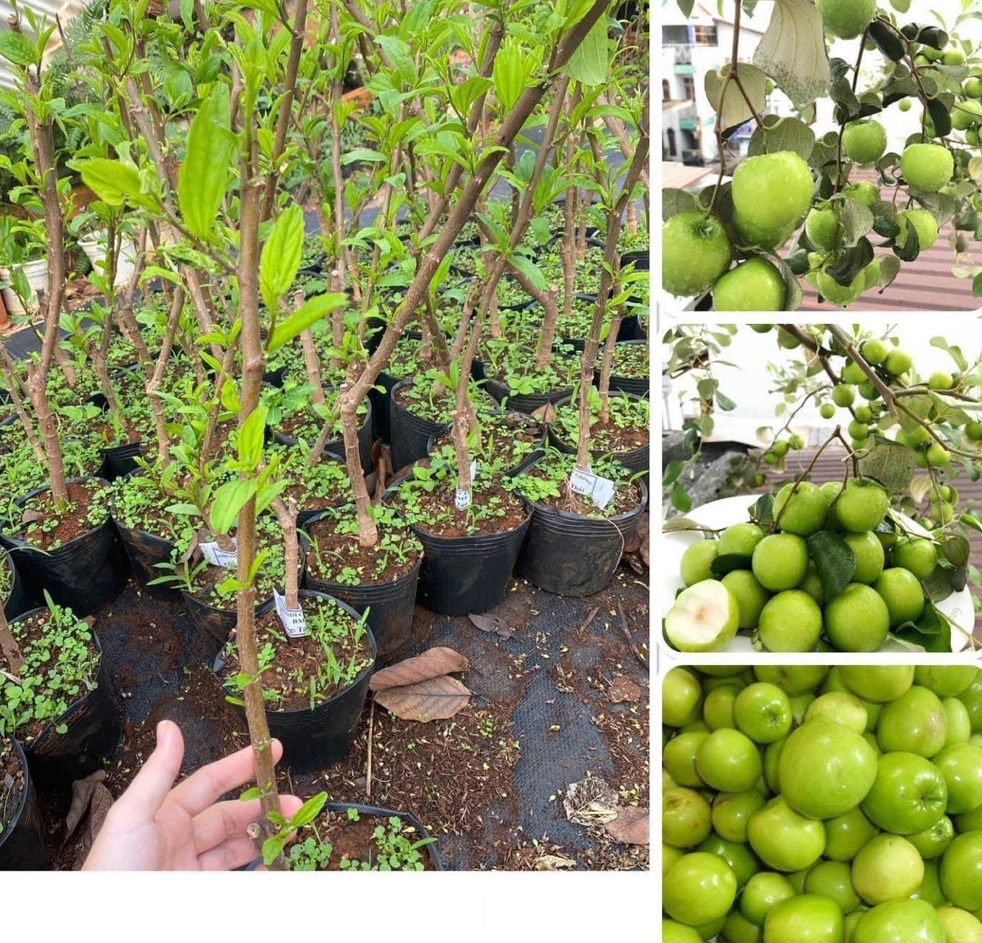
📸 [Photos 1 and 2 – Illustration and real images of the Apple Tree]
I. GENERAL INTRODUCTION TO THE APPLE TREE
Apple (scientific name: Malus domestica) is a deciduous tree species of the Rosaceae family, famous for its sweet fruit with high nutritional value. It is one of the most widely cultivated fruits in the world, with thousands of different varieties developed to suit various climates and consumption needs.
🌱 Identification features
- • Trunk and height: The trunk has cracked bark. Average height 2 – 4.5 m in cultivation and can reach 9 – 12 m in the wild, canopy broad and dense.
- • Leaves: Leaves alternate, oval (length 5–12 cm, width 3–6 cm), margins serrated. The underside of the leaves has a fine downy layer.
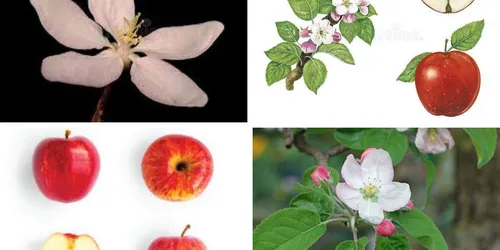
- • Flowers: Bloom in spring, in clusters of 4–6 flowers or solitary. Flowers with 5 petals, diameter 2.5 – 3.5 cm, white or pale pink then fading.
- • Fruit: Fruit ripens in late summer or autumn, diameter about 5 – 9 cm. Skin thin with various colors (red, green, yellow depending on variety), flesh white-green or cream. The cross-sectioned flesh has 5 "locules" arranged in a five-pointed star, containing 1–3 brown seeds inside.
II. HISTORY AND ORIGIN
The apple tree originates from the region of Central and Western Asia, where the wild ancestor (Malus sieversii, also called Xinjiang wild apple) still lives today.
📜 Origin and evolution
- Wild ancestor: The species Malus sieversii in the Tian Shan mountains (border between Central Asia, Kazakhstan and China) is considered the main wild ancestor of the modern apple tree.
- Role of humans and animals: Large animals ate the fruits and dispersed apple seeds. Later, humans on the Silk Road selected and crossbred larger, sweeter apples for cultivation.
🌍 Development in Europe and America
- Antiquity: Ancient Greeks and Romans greatly appreciated apples. They knew the grafting technique to propagate delicious apples.
- Spread: The apple tree became the most popular crop in Europe.
- To America: European colonists brought apple seeds and seedlings to North America in the 16th–17th centuries, helping this tree adapt and thrive there.
🍎 The apple in the modern era
- Commercial propagation: Today, thousands of different apple varieties are developed to suit various climates and consumption needs.
- Global distribution: The apple tree is widely cultivated in temperate regions around the world, from North America and Europe to East Asia and some cold mountainous areas in Vietnam.
III. GROWTH CHARACTERISTICS AND IDEAL LIVING CONDITIONS
a. Ecological characteristics
- Perennial deciduous tree, prefers temperate or subcold climate.
- Rich in vitamins C, A, E, B group vitamins, minerals and polyphenols.
b. Care conditions for always green and healthy trees
- 🌡️ Temperature: The apple tree prefers temperate or subcold climate, ideally between 15°C and 25°C. The tree needs a cold period in winter (accumulation of chilling hours) to break dormancy and differentiate flower buds.
- 💧 Humidity: The tree prefers moderate humidity, does not tolerate waterlogging but needs sufficient water during flowering and fruit development.
- ☀️ Light: The apple tree is a light-loving tree, must be placed in a wide, open space. The tree must receive at least 5–6 hours of direct sunlight per day for good photosynthesis, determining the quality, sweetness and color of the fruit.
- 🌱 Soil: Best suited to light loamy soil, sandy soil or alluvial soil rich in humus. The soil must be extremely loose, nutrient-rich and most importantly well-drained to avoid root rot. Ideal soil pH ranges between 6.0 and 7.0.
📸 [Photo 3 – Images of the apple fruit and applications]
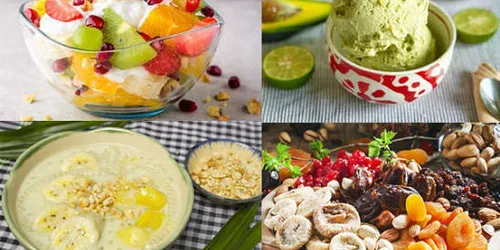
📸 [Photo 4 – Images of the apple fruit and applications]
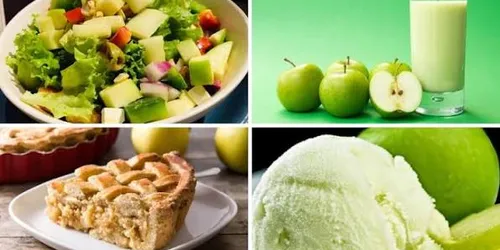
📸 [Photo 5 – Images of the apple fruit and applications]
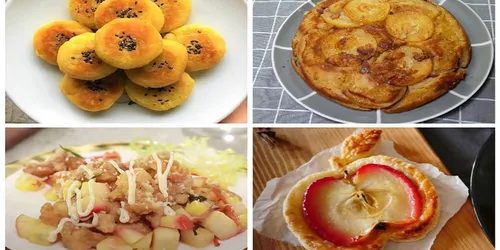
📸 [Photos 6 and 7 – Images of the apple fruit and applications]
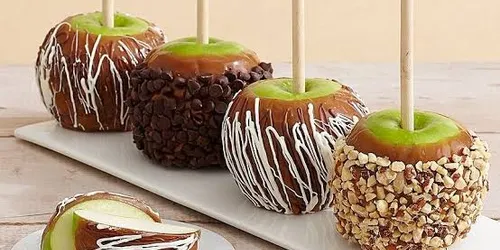
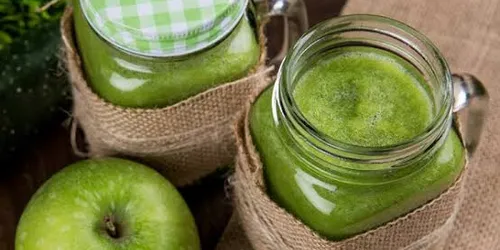
📸 [Photo 8 – Images of the apple fruit and applications]
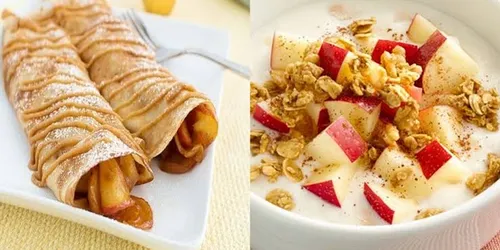
📸 [Photos 9 and 10 – Images of the apple fruit and applications]
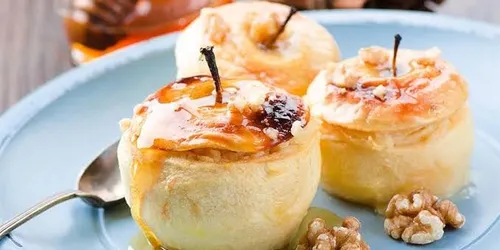
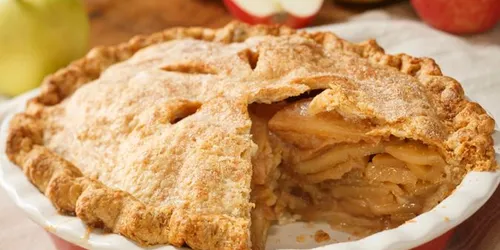
IV. NUTRITIONAL COMPOSITION AND DIVERSE BENEFITS
a. Nutritional composition
Main nutritional composition (per 100g apple):
- 💧 Water: About 85–86%.
- 🍚 Carbohydrates: About 13.8g (mainly natural sugars including fructose, sucrose and glucose).
- 🌾 Fiber: About 2.4g (including soluble fiber like pectin and insoluble fiber).
- 💪 Protein: About 0.3g.
- 🧈 Fat: Very low, about 0.2g.
- 🔥 Calories: About 52 kcal.
Vitamins and minerals:
- 🍊 Vitamins: Rich in vitamins C, A, E and B group vitamins.
- 🦴 Minerals: Provides potassium, phosphorus, calcium, iron, zinc and magnesium.
Bioactive compounds and antioxidants:
- 🧬 Polyphenols: High content (such as quercetin, catechin and chlorogenic acid) acting as strong antioxidants.
- 🍏 Pectin: A form of polysaccharide (soluble fiber) helping support digestion and reduce cholesterol.
- 🍋 Organic acids: Mainly malic acid.
b. Remarkable benefits
Health benefits:
- ❤️ Good for the heart: Apples contain many soluble fibers helping reduce bad cholesterol and protect blood vessels.
- 🌾 Supports digestion: The pectin fiber in the fruit helps the digestive system work smoothly and prevents constipation.
- ⚖️ Weight and blood sugar control: Eating an apple creates a long-lasting feeling of fullness, helps stabilize blood sugar and supports weight loss.
- 🛡️ Boosts immunity and brain: The antioxidants in apples help increase resistance and protect brain cells.
Economic and life value:
- 🍽️ Nutritious food: The apple is a popular fruit, used for fresh consumption, juice, baking or processed into various dishes.
- 🌳 Ornamental tree and feng shui: The tree symbolizes wealth, prosperity, peace and family happiness.
V. PROPAGATION TECHNIQUES AND DETAILED CARE
a. Propagation
🌱 Apple tree propagation technique steps:
- Rootstock preparation: Sow wild apple seeds or drought-resistant, pest-resistant rootstock lines. When the rootstock reaches a diameter of about 0.5 - 1 cm (usually after a few months to 1 year), proceed to graft.
- Choosing the branch for the scion (ideal branch): Cut a semi-mature branch from a high-yielding apple mother tree with delicious fruit, without disease. Take the dormant bud part or a branch segment with 2-3 buds about 4-7 cm long.
- Performing the graft: Use a sharp knife to cut cleanly, fit the scion onto the rootstock (wedge grafting, window grafting or T grafting) so that the cambium layer of the scion and rootstock adheres closely.
- Wrapping biological tape: Use special nylon string to wrap the graft tightly to prevent rainwater infiltration and fix the scion.
- Care after grafting: Place the tree in a shady place, water sufficiently moist. After 2-4 weeks when the scion sprouts and fuses, remove the nylon string and care for the seedling until it reaches planting standard.
b. Care and disease prevention
- ☀️ Light: Place the tree in a place with much direct sunlight, at least 5 to 6 hours per day. A sufficiently sunlit tree will flower much and have few pests.
- 🌡️ Temperature: The tree grows well at a temperature of 25°C to 32°C.
- 💧 Watering: The apple tree is a moisture-loving species, needs regular watering. Especially when the fruit is growing, if lacking water the fruit will be small and have an astringent taste. Water regularly keeping moisture but avoid soil waterlogging.
- 🌾 Fertilizing: Apply mature manure or organic fertilizer periodically. The boost fertilizer is divided into several phases such as after pruning branches, before abundant flowering and after fruit set to provide sufficient nutrients for fruit development.
- ✂️ Branch pruning: Form the canopy by pruning shoots and old, diseased branches so the tree produces many new branches. After harvest, cut part of the branches that have fruited, leaving only a short segment to stimulate the growth of stronger new branches for the next season.
🛡️ Pest and disease prevention:
- Cultivation measures and orchard hygiene: Choose healthy varieties with good pest resistance. Plant at moderate spacing, not too dense so the orchard is airy and easy to drain. Regularly prune old, diseased, water sprout branches to create an airy canopy and concentrate nutrients for fruit. Fertilize balanced, prioritize organic or microbial fertilizers; limit excess nitrogen fertilizer. Collect and destroy waste, diseased leaves, fallen fruits around the base to cut off the disease source.
- Pest and disease prevention and treatment: Visit the orchard regularly to detect early pest eggs or disease signs. Spray pest eggs with moderate pressure water or use safe biological preparations to prevent biting insects, fruit borers and powdery mildew, fruit rot diseases. Only use chemical pesticides when pest density exceeds the harmful threshold, prioritize less toxic products and comply with the pre-harvest interval.
VI. REMEDIES SUPPORTING DISEASE TREATMENT
⚠️ Important note:
This is a folk remedy, not scientifically proven, for reference only.
- Parts used: Fruit, bark, root.
- Harvest season: Around September to November depending on variety and climate region.
- Preparation form: Dried and fresh.
- Properties: Sweet-sour taste, cool nature.
- Benefits:
• Cardiovascular support and blood pressure reduction: Apples are very rich in potassium, helping eliminate excess sodium from the body. The quercetin compound in apples helps antioxidation, protects blood vessels and prevents atherosclerosis.
• Reducing cholesterol and blood lipids: The soluble fiber pectin in apples has the ability to bind with bile acids to reduce bad cholesterol in the blood.
• Regulating digestion: Eating raw with skin provides fiber helping treat constipation, stimulates intestinal peristalsis. Eating cooked/boiled or dried: the tannins in apples at this time have an astringent effect on the mucosa, effectively supporting the treatment of diarrhea and dysentery.
• Reducing cough and expelling phlegm: In Chinese medicine, apple fruit skin has the effect of harmonizing the stomach and transforming phlegm, used for people with much phlegm or frequently suffering from reflux, vomiting.
• Supporting diabetes control: The glycemic index of apples is quite low, antioxidants help improve insulin sensitivity, supporting the prevention of diabetes complications.
• Reducing fever: The trunk bark of the apple tree contains phlorizin, a substance with mild fever-reducing properties and has been studied for application in traditional cooling recipes.
• Antibacterial: The extract from root bark and trunk bark has antibacterial properties, supporting natural anti-inflammation.
🍎 Thank you for reading this article!
I hope you gained much useful knowledge about this nutritious temperate fruit.
Don't forget to follow the blog for more interesting information!
📌 Share the article if you found it helpful!
Comments (0)
No comments yet.
Leave a Comment