Hello! Today we explore the familiar yet highly nutritious vegetable called Watercress – a clean vegetable for daily meals and a valuable herb supporting various health conditions. Let's dive in!
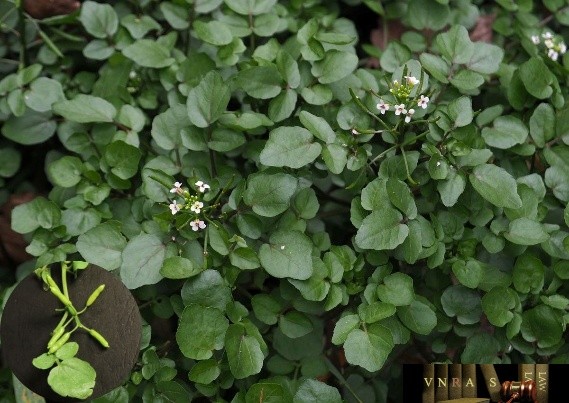
📸 [Photo 1 & 2 – Simulated and real images of Watercress]


I. INTRODUCTION TO WATERCRESS
Watercress (scientific name: Nasturtium officinale - Nasturtium microphyllum) is an aquatic or semi-aquatic plant, perennial and fast-growing. This nutritious vegetable is widely used in cuisine and traditional medicine.
🌱 Identification Features
- • Stem: Soft, hollow, capable of floating or creeping on water surface, 10-40cm long. Nodes near the base develop adventitious roots for anchorage.
- • Leaves: Alternate, pinnately compound with 5-7 oval leaflets. Dark green and succulent.
- • Flowers: Small, clustered at branch tips, pure white.
II. ORIGIN AND DISTRIBUTION
Watercress originates from temperate regions of Europe and Central Asia. Used by ancient Greeks and Romans, this vegetable once grew wild. It was introduced to Vietnam by the French in the late 19th century and quickly became a popular vegetable.
III. GROWTH CHARACTERISTICS AND IDEAL CONDITIONS
a. Ecological Characteristics
- Watercress is a semi-aquatic plant, thriving in moist environments, growing both in water and moist soil.
- The hollow stem allows floating and easy creeping on water surfaces.
b. Care Conditions for Lush Growth
- 🌡️ Temperature: Ideal 15°C – 20°C. High temperatures cause bitterness or stunted growth.
- ☀️ Light: Requires partial or full sunlight. Summer heat requires shade netting.
- 🧪 pH Level: Neutral pH, ranging from 6 to 7.
📸 [Photo 3 & 4 – Dishes or decorative spaces featuring Watercress]


IV. NUTRITIONAL COMPOSITION AND VERSATILE USES
a. Outstanding Nutritional Value (per 100g)
- 💧 Water: Approximately 93%.
- 🥩 Protein: 1.7 - 2g.
- 🍚 Carbohydrates: 1.29g - 4g.
- 🥗 Fiber: 0.8 - 1g.
- 🍊 Vitamin C: Very high, strong antioxidant and immunity booster.
- 👁️ Vitamin A & Beta-carotene: Supports vision, skin, and immune system.
- 🦴 Vitamin K: Abundant, essential for bone health and blood clotting.
- 🧬 Vitamin E and B-complex (B1, B2, B6, B9/Folic acid).
- 🦷 Calcium: For strong bones and teeth.
- 🩸 Iron: Essential for blood formation.
- ❤️ Potassium, Magnesium, Phosphorus, Manganese, Iodine: Regulate blood pressure and bodily functions.
- 🧪 Sulfur Compounds: Contains isothiocyanates and sulforaphane – antioxidant and cancer-preventive.
- 👀 Lutein & Zeaxanthin: Excellent for eye health.
b. Wonderful Applications
- 🍳 Culinary: Tender leaves and crunchy stems with distinctive aroma. Can be boiled, stir-fried with garlic, or used in salads.
- 🏠 Decoration: Grown in glass or ceramic pots on windowsills or balconies. Lush green clusters create a vibrant look.
- 💊 Health Support: Used to support cardiovascular diseases, diabetes, gallstones, kidney stones, and respiratory issues.
V. PROPAGATION AND CARE TECHNIQUES
a. Propagation
🌿 Cutting Method (Most Common):
- Select semi-mature, healthy stems, 10-15cm long, with many adventitious roots or small shoots.
- Prepare loose, moisture-retentive substrate (loam + worm castings + coconut coir).
- Remove leaves at the base, insert obliquely 3-5cm deep or plant in shallow water.
- Place in a cool area, water regularly. After 7-10 days, roots develop and form complete plants.
🧬 Seed Sowing Method:
- Soak seeds in warm water (2 boiling : 3 cold) for 2-4 hours. Keep moist overnight until seeds crack.
- Sow evenly on moist soil surface, cover with thin soil or ash.
- Cover with straw or shade netting for the first few days.
- Spray water twice daily. When seedlings reach 5-7cm, thin out and transplant to larger pots.
b. Care and Disease Prevention
- 💧 Moisture & Water: Maintain water level at soil surface or keep soil constantly saturated for fastest growth.
- ☀️ Light: Prefers shade or filtered light. Summer heat requires shade netting.
- ✂️ Harvest: After 30-35 days, cut leaving 5cm of stem for regrowth.
- ⚠️ Note: Never apply granular fertilizer to the center of the plant.
🛡️ Pest and Disease Management:
- Soft Rot and Root Rot: Caused by fungi and bacteria. Prevent with balanced fertilization and rain covers. Treat by removing infected plants, applying lime, and using biological products.
- Wilt Disease: Young shoots wilt during midday. Prevent with clean seeds and water. Treat with systemic bactericides.
- Pests (Flea beetles, Aphids): Regular garden inspection, hand-picking, remove debris. Use insect netting from planting.
VI. KIDNEY AND GALLSTONE SUPPORT REMEDY
⚠️ Important Note:
This is a folk remedy without scientific validation – for reference only.
- Part used: Whole plant.
- Harvest: Year-round.
- Preparation: Can be used fresh or dried (in a cool, shaded area).
- Taste & Nature: Bitter, slightly spicy, aromatic, cooling nature.
- Uses: Lowers cholesterol, aids digestion, strong antioxidant, supports kidney and gallstone treatment.
📝 Preparation Method:
- Step 1: Use approximately 50g dried leaves (or fresh leaves, washed), rinse clean.
- Step 2: Boil with about 3 cups of water until reduced to 1 cup.
- Step 3: Divide into 2 doses – morning and afternoon (drink warm).
🌱 Thank you for reading!
We hope you found useful information about this nutritious vegetable.
Don't forget to follow our blog for more interesting content!
📌 Share if you found this helpful!




Comments (0)
No comments yet.
Leave a Comment