
Hello! Today we explore the familiar fruit with its characteristic refreshing taste, bringing countless health benefits – Luffa (also known as Loofah or Sponge Gourd) – a nutritious food for meals and a precious remedy supporting skin beauty and many other conditions. Let's dive in!
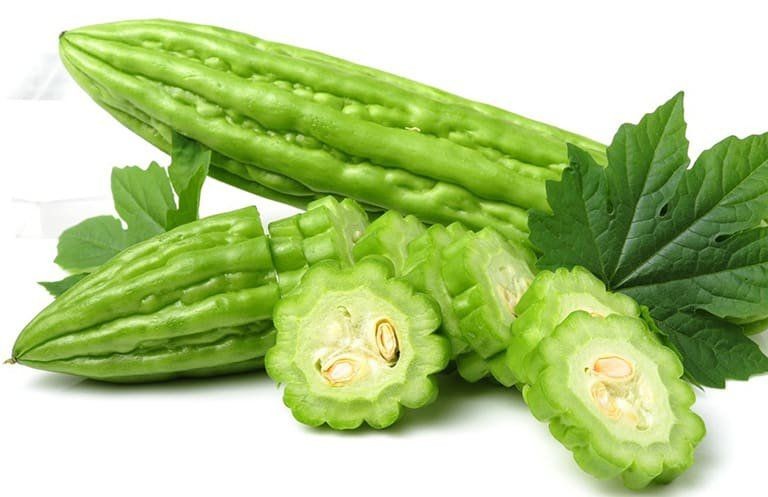
📸 [Photo 1 & 2 – Simulated and real images of Luffa]


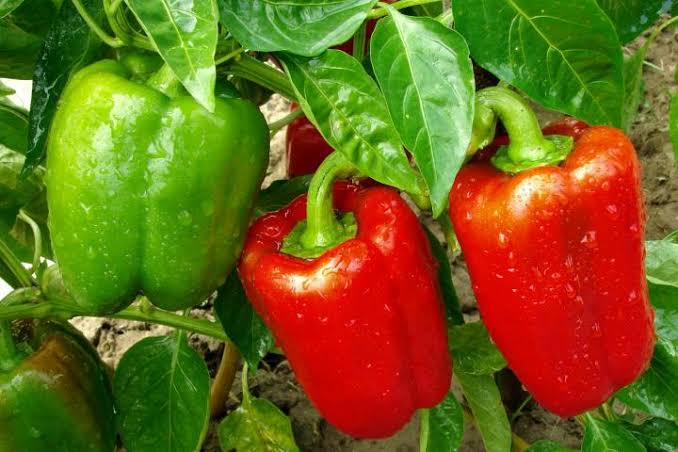
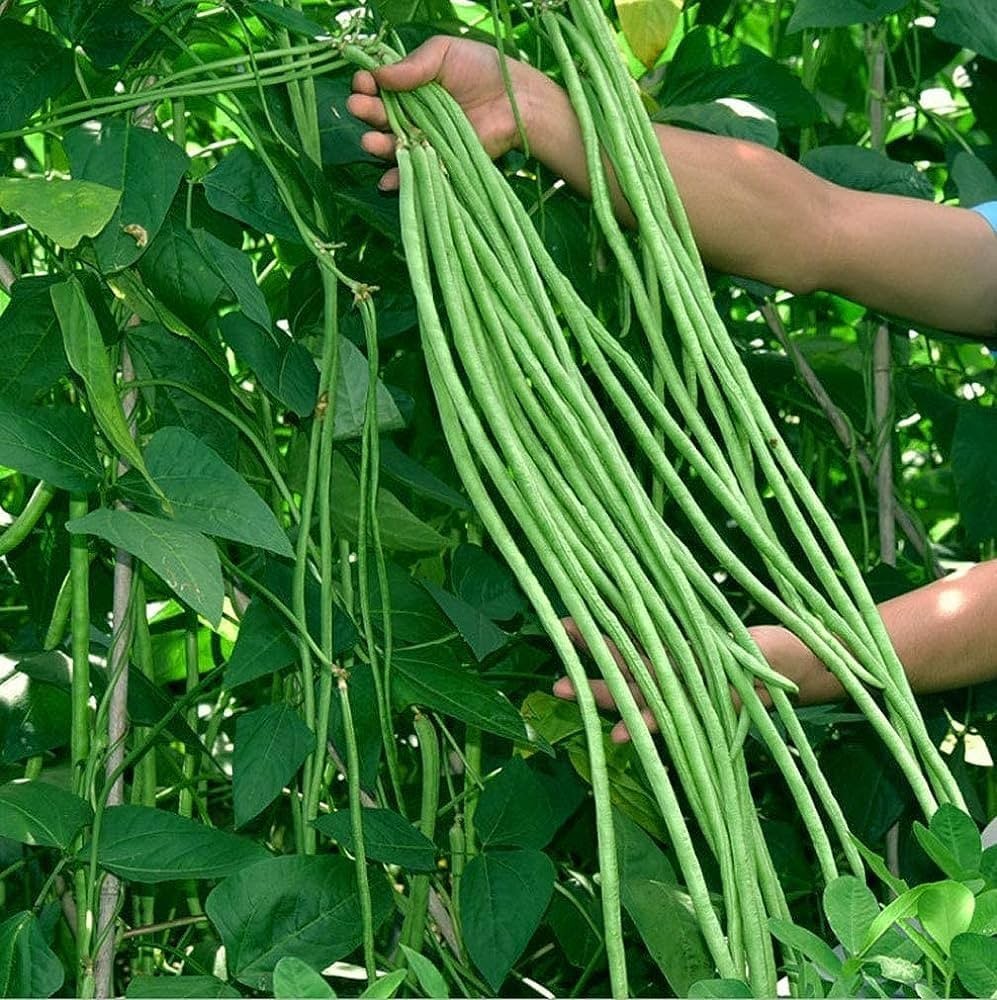
📸 [Photo 3 – Detailed image of Luffa]

I. INTRODUCTION TO LUFFA
Luffa (scientific name: Luffa cylindrica) is a herbaceous vine belonging to the gourd family (Cucurbitaceae), very common in tropical regions. The fruit and parts of the plant contain high amounts of vitamin C and minerals, famous for their characteristic refreshing taste, bringing many health benefits.
🌱 Identification Features
- • Stem: Slender vine with angular edges, light green. Climbs using branched tendrils.
- • Leaves: Large, alternate, 3-5 lobed, small serrated edges. Rough surface, prominent palmate veins.
- • Flowers: Monoecious, bright yellow. Male flowers in long clusters, female solitary.
- • Fruit: Cylindrical or elongated spindle shape, green skin, soft flesh. Length 20-30cm, up to 1m.
- • Seeds: Soft when young and edible, mature seeds turn black or dark brown with hard shell.
- • Roots: Strong root system, deep and wide for nutrient absorption.
II. ORIGIN AND DISTRIBUTION
Luffa is native to tropical and subtropical regions of Asia, particularly South Asia and Southeast Asia. As a vine in the gourd family, luffa has been domesticated since prehistoric times for food and bath sponges.
III. GROWTH CHARACTERISTICS AND IDEAL CONDITIONS
a. Ecological Characteristics
- It is a climbing vine, vigorous grower, requiring trellis support.
- The fruit has a refreshing taste, rich in water and nutrients.
b. Care Conditions for Lush Growth
- 🌡️ Temperature: Ideal 25°C – 30°C. Below 15°C, growth is poor and fruiting is low.
- ☀️ Light: Sun-loving, needs 6-8 hours/day for abundant flowering and fruiting.
- 🌱 Soil: Light loam, sandy loam or alluvial soil, well-drained.
- 🧪 pH Level: 6.0 – 7.0.
- 🌾 Nutrition: Needs humus-rich soil, organic fertilizer and balanced NPK.
📸 [Photo 4 & 5 – Dishes or decorative spaces featuring Luffa]


IV. NUTRITIONAL COMPOSITION AND VERSATILE USES
a. Nutritional Components
- 💧 Water: Over 95%.
- 🥩 Protein, Lipids, Carbohydrates.
- 🍊 Vitamins: A, C, B1, B2.
- 🦴 Minerals: Calcium, Phosphorus, Iron, Potassium.
- 🧪 Active compounds: Saponin, Choline, Free amino acids.
b. Wonderful Applications
- 🍳 Culinary: Wash fruit, peel, slice, boil, stir-fry with garlic and scallions or make soup for daily meals.
- 🏠 Decoration: Grow as a trellis vine to provide shade for gardens.
- 💊 Health Support: Anti-inflammatory, clears meridians, supports sinusitis, liver detox, acne reduction, bath sponge, skin beauty, postpartum lactation support.
📸 [Photo 6 & 7 – Propagation and care techniques for Luffa]


📸 [Photo 8 & 9 – Propagation and disease prevention techniques]


V. PROPAGATION AND CARE TECHNIQUES
a. Propagation
🌱 Seed Selection:
- Choose large, plump seeds with shiny shell, no pests or hollow seeds.
🌱 Seed Treatment:
- Lightly clip the pointed end of seeds for easy water absorption.
- Soak seeds in warm water (2 boiling : 3 cold, 50-52°C) for 4-6 hours.
- Rinse off mucus, wrap in damp cloth at 28-30°C. After 1-2 days, seeds crack.
🌱 Sowing:
- Sow directly in soil or seed trays. Use loose, humus-rich, well-drained soil.
- Place trays in light area, water regularly to maintain moisture.
- When seedlings reach 10-15cm with 2-3 true leaves, transplant to larger pots or garden and install trellis.
b. Care and Disease Prevention
- 💧 Watering: 1-2 times/day, ensure good drainage, no waterlogging over 10 hours.
- ✂️ Pruning & Pinching: When plant reaches 1.5-2m, pinch the top for branching. Remove old leaves.
- 🏗️ Trellis: A-frame or horizontal trellis, secure with sturdy poles.
- 🌾 Fertilization: Apply organic fertilizer and potassium, fertilize regularly by growth stage.
🛡️ Pest and Disease Management:
- Powdery Mildew: Appears in humid weather. Prune diseased leaves, spray biological fungicides, avoid watering leaves in evening.
- Bacterial Wilt: Plant wilts at midday, recovers in evening. Remove and destroy immediately, rotate crops.
- Leaf Miners & Aphids: Use garlic-chili solution, neem oil spray, or hand-pick for small scale.
VI. MELASMA AND SKIN HYDRATION SUPPORT REMEDY
⚠️ Important Note:
This is a folk remedy without scientific validation – for reference only.
- Part used: Whole plant (fresh fruit).
- Harvest season: Year-round, best at beginning of rainy season or Spring-Summer.
- Preparation: Can be used fresh or dried.
- Nature: Sweet taste, cooling nature; leaves bitter, sour, slight cold; sponge sweet, neutral.
- Uses: Clears heat, dissolves phlegm, cools blood, detoxifies, anti-inflammatory, antiseptic, clears meridians, stops bleeding, activates blood.
📝 Face Mask for Melasma & Hydration:
- Step 1: Take 1/2 fresh, young luffa fruit.
- Step 2: Peel, wash, blend finely, and extract the juice.
- Step 3: Clean face, apply luffa juice to melasma areas using a cotton pad. Relax for 15-20 minutes then rinse with clean water.
🌱 Thank you for reading!
We hope you found useful information about this refreshing and nutritious fruit.
Don't forget to follow our blog for more interesting content!
📌 Share if you found this helpful!



Comments (0)
No comments yet.
Leave a Comment