Hello there! Today, let's explore a familiar mushroom grown from rice straw with high nutritional value – The Straw Mushroom (Volvariella volvacea) – which is both a nutritious food and a valuable medicinal herb supporting various conditions. Let's dive into the details together!
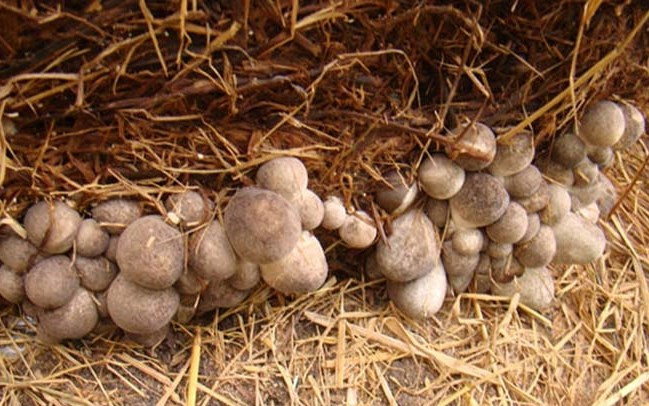
📸 [Photos 1 & 2 – Illustrative and Real Images of Straw Mushrooms]


I. GENERAL INTRODUCTION TO STRAW MUSHROOMS
Straw Mushroom (scientific name: Volvariella volvacea) is a species of edible mushroom belonging to the Pluteaceae family, growing and developing primarily on rice straw. It encompasses various varieties with different characteristics, ranging in color from grayish-white to gray and dark gray. Highly nutritious, it is widely favored in both culinary dishes and traditional medicine.
🌱 Identification Features
- • Cap: Egg-shaped when young, expanding into an umbrella shape when mature, with a smooth surface that ranges from gray to dark gray or off-white.
- • Gills: Located under the cap; white when young, turning pink or reddish-brown as spores mature.
- • Stipe (Stem): Cylindrical, short, white, firm at the base and softer near the top.
- • Volva (Cup): The base of the stem is encased in a universal veil that ruptures as the mushroom grows, leaving a cup-like structure at the base.
II. HISTORY AND ORIGIN
The cultivation of straw mushrooms originated with monks at the Nanhua Temple in Guangdong Province, China. They accidentally discovered the mushrooms growing on decaying rice straw piles, which eventually led to a traditional cultivation method that spread across Asia. In Vietnam, straw mushroom farming has a long history, concentrated mainly in the Mekong Delta region.
III. GROWTH CHARACTERISTICS AND IDEAL CONDITIONS
a. Ecological Characteristics
- Saprophytic fungus, feeding on cellulose from rice straw.
- Nutrient-rich and easy to digest.
b. Ideal Growth Conditions
- 🌡️ Temperature: Ideal range is 30-40°C. Growth stops below 15°C or above 45°C.
- 💧 Humidity: Substrate moisture 60-70%, relative air humidity 80-90%.
- 🧪 pH Level: Neutral to slightly alkaline, pH 7.0-7.5.
- ☀️ Light: Mycelium phase requires darkness; fruiting body stage needs soft, diffused light.
- 🌬️ Ventilation: Requires a clean, well-ventilated growing environment protected from strong direct winds.
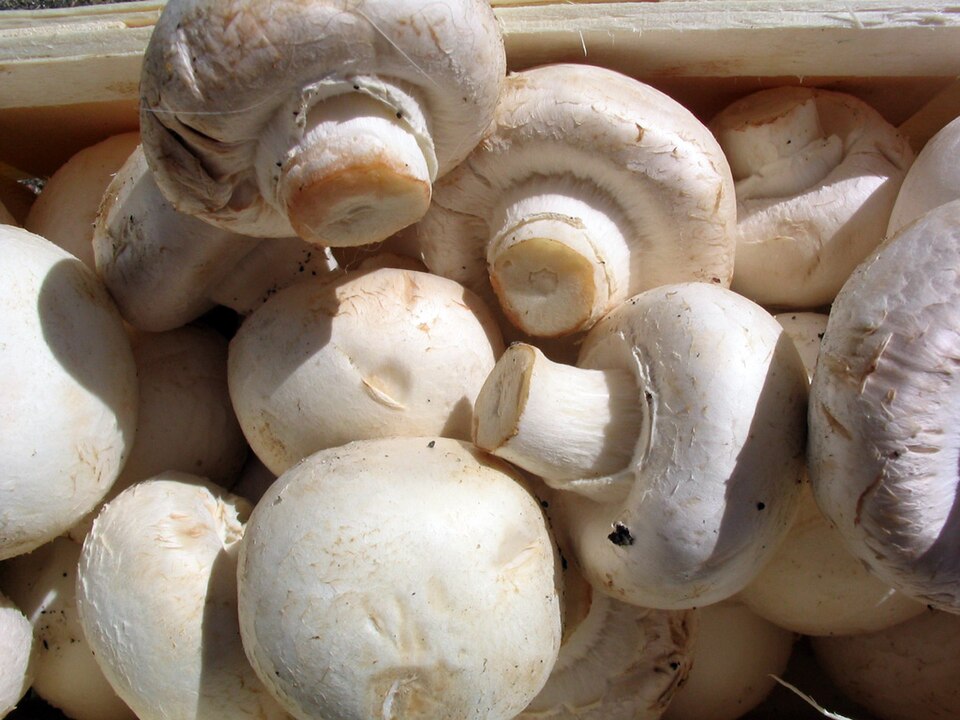
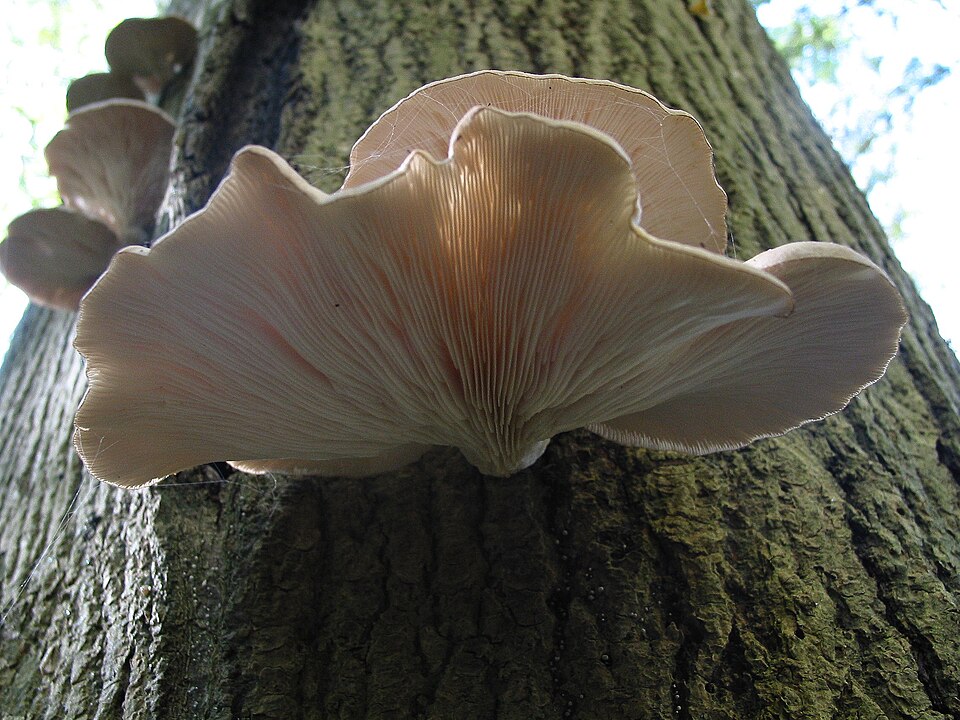
📸 [Photos 3 & 4 – Dishes and Applications of Straw Mushrooms]


IV. NUTRITIONAL COMPOSITION AND HEALTH BENEFITS
a. Nutritional Profile (per 100g fresh mushrooms)
- 💧 Water: 88-90g.
- 🥩 Protein: 3.6g.
- 🍚 Carbohydrates: 3.2-3.4g.
- 🫘 Fat: 0.3g.
- 🥗 Fiber: 1.1g.
- 🦴 Minerals: Calcium (28mg), Phosphorus (80mg), Iron (1.2mg).
- 🍊 Vitamins: B1, B2, C, PP.
b. Key Health Benefits
- 💪 Immunity Boost: Stimulates immune response and provides powerful antioxidant protection.
- ❤️ Cardiovascular Protection: Helps lower blood lipids and prevents atherosclerosis.
- 🔥 Detoxification: Clears internal heat and supports liver and digestive functions.
- 🩸 Prevents Anemia: Supplies essential iron and plant-based protein.
V. PROPAGATION AND CARE TECHNIQUES
a. Propagation
🍄 Materials Preparation:
- Use clean paddy/rice grains free from empty husks, combined with agar or chopped straw.
- Equipment: Erlenmeyer flasks, test tubes, heat-resistant plastic bags, autoclave.
🍄 Propagation Process:
- Grain preparation: Boil paddy until partially cooked, mix with lime powder or gypsum.
- Bagging & Sterilization: Pack into bags or flasks and sterilize under high pressure.
- Inoculation: Inoculate pure mycelium into the substrate in a sterile environment.
- Incubation: Maintain at 30-32°C for 10-15 days until mycelium fully colonizes.
b. Care and Maintenance
- 🌡️ Temperature: Keep stable between 30-35°C.
- 💧 Moisture: Substrate is sufficiently moist when a few drops squeeze out under pressure. Mist gently.
- 🌧️ Weather Management: Cover with tarps during heavy rain; increase shading mats in summer to retain moisture.
- 🧹 Sanitation: Keep growing area clean, removing spent substrate and damaged mushrooms.
🛡️ Pest and Disease Control:
- Green/Black Mold: Reduce watering, improve airflow, cut out infected areas, and sprinkle lime powder.
- Wild Fungi: Remove immediately upon detection.
- Insects & Mites: Use protective netting, maintain strict hygiene, avoid chemical pesticides.
- Rodents & Cockroaches: Utilize biological traps and sticky pads.
VI. TRADITIONAL REMEDIES AND USES
⚠️ Important Note:
These are traditional folk remedies provided for informational purposes only, not scientifically proven medical advice.
- Part Used: Fruiting body (mushroom).
- Harvesting Time: 10-14 days post-inoculation. Harvest at the button stage before caps open.
- Forms: Fresh or dried.
- Properties: Sweet taste, cooling nature.
- Indications: Supportive care in cancer, heart disease, fatty liver, impotence, physical fatigue, and anemia.
📝 Supportive Applications:
- Cancer Support: Contains specific proteins that help slow malignant cell growth and stimulate Interferon production.
- Cardiovascular Health: Lowers bad cholesterol, reducing the risk of arterial plaque build-up.
- Fatty Liver: Aids fat metabolism and helps lower liver enzymes.
- Erectile Dysfunction: Stir-fried with shrimp or frog meat to help restore vitality.
- Physical Debility: Stewed with quail or pigeon eggs to nourish vital energy and blood.
- Fever & Colds: High Vitamin C content supports immunity during recovery.
- Anemia & Bone Health: Iron, calcium, and Vitamin D contribute to red blood cell production and bone density.
🌱 Thank you for reading!
Hope you gained valuable insights into this highly nutritious mushroom.
Don't forget to follow our blog for more interesting articles!
📌 Share this post if you found it helpful!

Comments (0)
No comments yet.
Leave a Comment