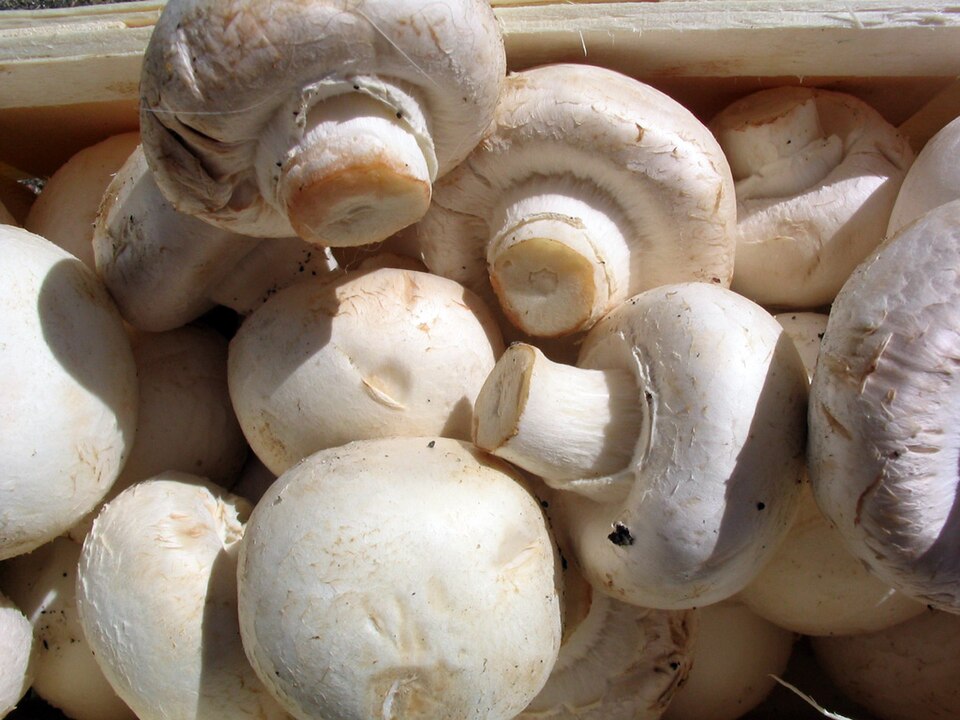
Hello! Today let's explore the world's most popular mushroom with high nutritional value – The Button Mushroom (Agaricus bisporus) – both a nutritious food and a valuable natural remedy supporting various health conditions. Let's dive into the details together!
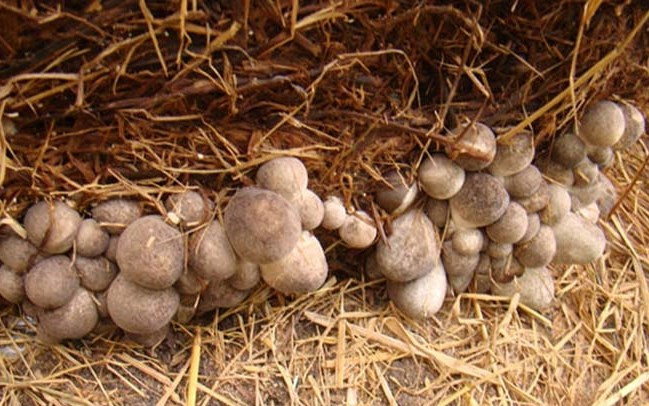
📸 [Photo 1 & 2 – Illustrative and Real Images of Button Mushroom]


I. GENERAL OVERVIEW OF BUTTON MUSHROOMS
The Button Mushroom (scientific name: Agaricus bisporus) is an edible mushroom that can even be eaten raw. It is native to the grasslands of Europe and North America. It exhibits two color states when immature: white and brown – both known by various common names.
🌱 Identification Features
- • Mushroom Cap: Spherical or hemispherical when young, expanding into an umbrella shape when mature. Smooth surface, 2-6 cm in diameter.
- • Color: Bright white or light to dark brown. Brown varieties offer a richer flavor.
- • Stipe (Stem): Short, cylindrical, firm, 3-6 cm long, 1.5-2 cm thick.
- • Flesh: Thick, white, with a delicate veil under the cap.
II. HISTORY AND ORIGIN
Button mushrooms originate from temperate grasslands in Europe and North America. Starting in 17th-century France, they were discovered growing on compost used for melon cultivation. By the early 19th century, growers began cultivating them in underground limestone quarries beneath Paris, taking advantage of the cool, constant temperatures. Today, button mushrooms are commercially cultivated worldwide.
III. GROWTH CHARACTERISTICS & IDEAL CONDITIONS
a. Ecological Characteristics
- Most popular edible mushroom in the world.
- Nutrient-rich, low in calories.
b. Ideal Growth Conditions
- 🌡️ Temperature: Mycelium phase: 22-24°C. Fruiting body phase: 14-18°C.
- 💧 Humidity: Substrate humidity: 65-70%, Air humidity: >80%.
- 🧪 pH: 7.0-8.0 (Slightly alkaline).
- ☀️ Light: No direct sunlight required; thrives in darkness.
- 🌬️ Ventilation: Requires moderate oxygen; avoid CO2 buildup.
📸 [Photo 3 – Button Mushroom Culinary Dish]

📸 [Photo 4 & 5 – Culinary Uses and Applications of Button Mushrooms]


IV. NUTRITIONAL COMPOSITION & DIVERSE BENEFITS
a. Nutritional Composition (per 100g fresh mushrooms)
- 💧 Water: 92.4g
- 🔥 Calories: 22 kcal
- 🥩 Protein: 3.1g
- 🍚 Carbohydrates: 3.3g
- 🥗 Fiber: 1.0g
- 🫘 Fat: 0.34g
- 🍊 B Vitamins: B2, B3, B5
- 🦴 Minerals: Potassium, Selenium, Copper
- 🧬 Bioactive Compounds: Beta-glucan, Ergothioneine
b. Health Benefits
- 💪 Boosts Immunity: Beta-glucan and selenium stimulate immune function.
- ❤️ Heart Health: Fiber and ergothioneine help lower bad cholesterol.
- 🥗 Supports Digestion: Acts as a prebiotic to nourish beneficial gut bacteria.
- ⚖️ Weight Management: Low calorie, high fiber promotes satiety.
- 🩸 Regulates Blood Sugar: Supports healthy glucose metabolism.
- 🧬 Liver Protection & Anti-Aging: Rich in powerful antioxidants.
V. PROPAGATION TECHNIQUES & CARE DETAILS
a. Propagation
🍄 Master Culture (Agar Medium):
- Prepare potato extract, add glucose and agar (PDA medium).
- Isolate tissue from healthy mushroom caps, inoculate onto petri dishes. Incubate at 22-24°C until fully colonized.
🍄 Grain Spawn:
- Cook cereal grains, mix with gypsum and lime (pH 6.5-7).
- Sterilize and inoculate with master culture. Maintain at 24°C and shake regularly.
🍄 Bulk Commercial Spawn:
- Grains, sawdust, or composted straw substrate.
- Inoculate with grain spawn and incubate at 24-25°C for 15-20 days.
b. Care & Pest Management
- 🌡️ Temperature: Maintain 12-18°C during fruiting.
- ☀️ Light: Keep shaded; light is not required.
- 💧 Watering: Keep casing soil moist using fine mist from 40-50cm distance.
- 🧹 Sanitation: Disinfect cultivation area with Formalin or lime powder.
🛡️ Disease & Pest Prevention:
- Green, Black, or Pink Molds: Remove infected spots, dust with lime, reduce humidity.
- Mushroom Flies & Mites: Use yellow sticky traps, minimize chemical pesticides.
- Bacterial Blotch: Water on schedule and prevent water pooling on caps.
VI. SUPPORTIVE HOME REMEDIES
⚠️ Important Note:
These are traditional remedies provided for reference purposes only and lack formal clinical validation.
- Used Parts: Mushroom fruiting body.
- Harvesting Period: 35-45 days post-inoculation. Harvest at button stage before caps open.
- Form: Fresh or dried.
- Properties: Sweet taste, cool nature.
- Effects: Tonifies spleen and vital energy, boosts immunity, aids digestion.
📝 Supportive Recipes:
- Chicken & Button Mushroom Soup: Nourishes spleen and immunity. 150g mushrooms, 200g chicken, ginger. Simmer thoroughly.
- Stir-fried Button Mushrooms with Beef/Chicken Giblets: Stimulates digestion, relieves poor appetite. 200g mushrooms, 100g meat, garlic.
- Spinach & Mushroom Soup with Goji Berries: Nourishes blood and eyes. 100g mushrooms, 150g spinach, 10g goji berries.
- Vegetarian Stir-fried Mushrooms with Celery: Helps lower blood pressure, moistens lungs. 150g mushrooms, 100g celery, garlic.
🌱 Thank you for reading!
Hope you gained useful knowledge about this popular and nutritious mushroom.
Don't forget to follow the blog for more updates!
📌 Share this post if you found it helpful!

Comments (0)
No comments yet.
Leave a Comment